Nikon Coolpix · announced February 2005
The Nikon Coolpix 4600: a $199.95 pocket Coolpix that could brighten a dark picture after the shot
We found no other regional name for it in the sources we read: Nikon's US announcement and PhotographyBLOG's UK price line both say Coolpix 4600.15 Imaging Resource lists its model number as E4600,1 which is also what the sample photos below record in their EXIF data.
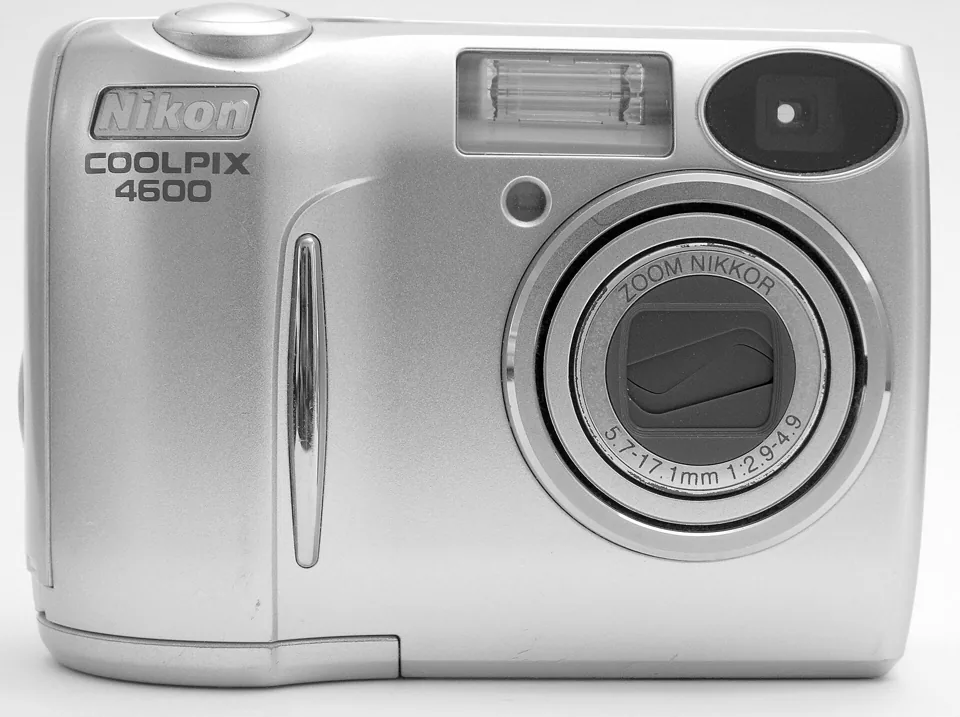
In February 2005 Nikon priced a 4-megapixel, AA-powered Coolpix at $199.95 and gave it two tricks: red-eye removed inside the camera and a playback command that lifted shadows. Four reviewers liked how small and simple it was, then split over sharpness, colour fringing and focus in dim rooms.
- Launched
- February 2005
- Launch price
- $199.95 US list1
- Sensor
- 4 MP CCD
- Lens
- 34–102 mm, 3×
- Card
- SD
- Battery
- 2 x AA
Nikon Coolpix 4600 specs: sensor, lens, battery, memory card and cable
The Nikon Coolpix 4600 came out in February 2005 at $199.95 as a 4 MP CCD compact with a 34–102 mm (35 mm equivalent) 3× zoom lens. It takes SD cards and runs on 2 x AA batteries. Sources
Meet the camera
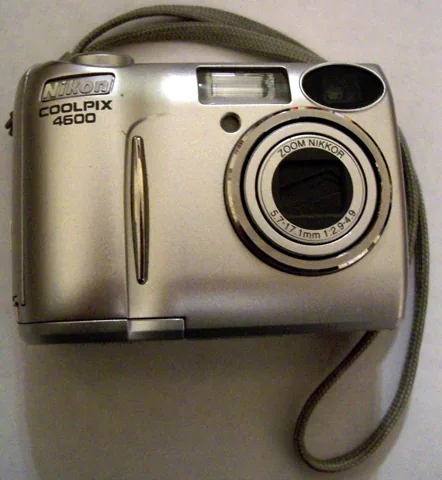
Nikon announced the Coolpix 4600 on 16 February 2005 in one release with the 5.1-megapixel Coolpix 5600 and the 7.1-megapixel Coolpix 7600, listing them at $199.95, $279.95 and $379.95 for March shipping.1 Imaging Resource called the 4600 and 5600 the closest pair, with essentially the same body and lens;1 DCRP saw them as smaller, lighter descendants of the 2004 Coolpix 2200 and 3200 (see our Coolpix 3200 page),4 and at 130 grams without batteries or card the 4600 (a row it shares with the 5600) was the lightest in DCRP's size table, 2 grams ahead of the HP Photosmart R607.54
The body is plastic, and the reviewers argued only about how that felt. PhotographyBLOG found a brushed silver finish and a thin grey metal band that gave it a quality feel,5 DCRP said it did not feel cheap,4 and Imaging Resource listed a plasticky feel among its cons.6
The price is quoted three ways. Nikon's release, Imaging Resource's review header and DCRP (“$200”) agree on $199.95, and DigiCamReview.co.uk listed it at $199 (£149);1642 PhotographyBLOG printed $299.99 for the US and £199.99 for the UK;5 Imaging Resource's data sheet says $279.95, which is the figure Nikon gave the 5600, and dates availability to 31 March 2005.81
Why this one was interesting
Red-eye fixed inside the camera
Nikon's release said all three cameras carry In-Camera Red-Eye Fix, which finds and corrects red eyes by itself, with no need to select them in playback.1 DCRP described a pre-flash to shrink pupils, then digital removal if red-eye survives.4 PhotographyBLOG's plain flash left a little red-eye and the red-eye mode left none;5 DCRP and DigiCamReview were also happy.42 PhotographyBLOG called the 4600 one of the first Nikon cameras to carry this and D-Lighting.5 Nikon had already pitched automatic in-camera red-eye correction a year earlier on the Coolpix 5200, which our Coolpix 5200 review covers.
D-Lighting, applied after the shot
Nikon called D-Lighting new: a playback command to rescue frames spoiled by weak flash or strong backlight.1 PhotographyBLOG pressed OK in playback, waited about 10 seconds while the camera processed a copy, and saw shadows lifted without touching the properly exposed areas, at the price of extra noise;5 DCRP, who called it a digital flash, saw the same noise.4
Framing guides and a Help button
Four dial positions (portrait, landscape, sports, night portrait) open Scene Assist menus, and a Scene position holds twelve more presets: the 16 scene modes Nikon counted.16 Imaging Resource listed portrait set-ups (a subject left or right, a close-up, a couple, a standing figure), each with an outline on the screen.6 DCRP said it was the first Nikon with a Help button, though the screens are very brief.4 Above it in the same release sat the Coolpix 7600, with 7.1 megapixels and a lens with ED glass.1
What was left out
This is programmed auto and little else. Exposure compensation runs from −2 to +2 EV, and DCRP found the preset (white-card) white balance to be the only manual control.64 PhotographyBLOG and DCRP counted the missing ISO choice against it, and neither they nor Imaging Resource found an autofocus assist lamp.546 There is no histogram,52 no zoom while filming,42 and no sound: Nikon's release gave sound to the 5600 and 7600 only, and DCRP found microphone holes with no electronics behind them.14 DCRP also said the 640 × 480 mode is not true VGA but built by interlacing, and Imaging Resource listed interlacing as a quality loss.46
The dark: its weak point
PhotographyBLOG was the harshest. It said the camera picked ISO 50 whenever it could, including an indoor shot of people at 1/27 s and f/3.6, and concluded that it suits outdoor light, or indoor flash on every shot; the longest exposure is only 4 seconds.5 DCRP found low-light focusing poor, the screen gaining up little in dim rooms, and night pictures soft.4 Imaging Resource got usable pictures down to about half a foot-candle (5.5 lux), but its autofocus gave up a little above one foot-candle, which it equated with city street lighting.6 Its flash pictures beyond about 8 feet were noisy, because the camera raises ISO to stretch the range, and the flash took about 12 seconds to recharge.6 DigiCamReview disagreed about indoors: its flash was decent, group shots came out well and noise stayed low, though focus sometimes struggled.2
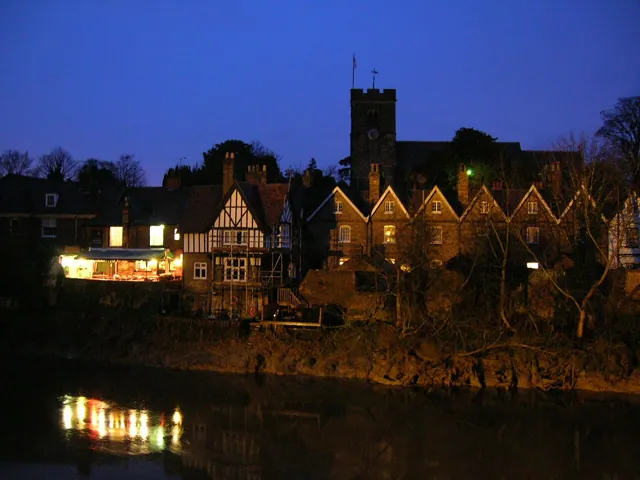
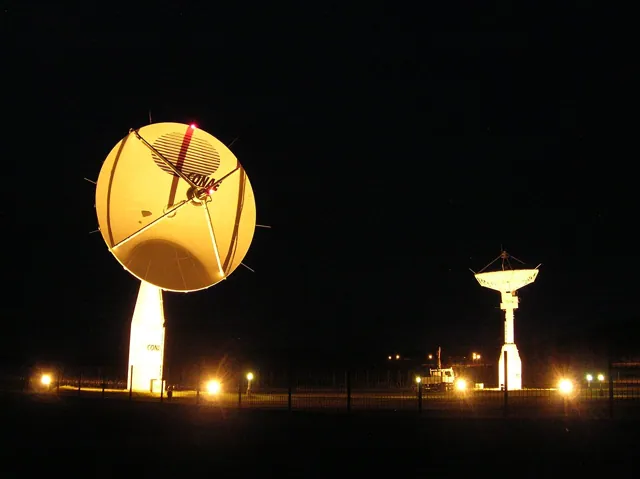
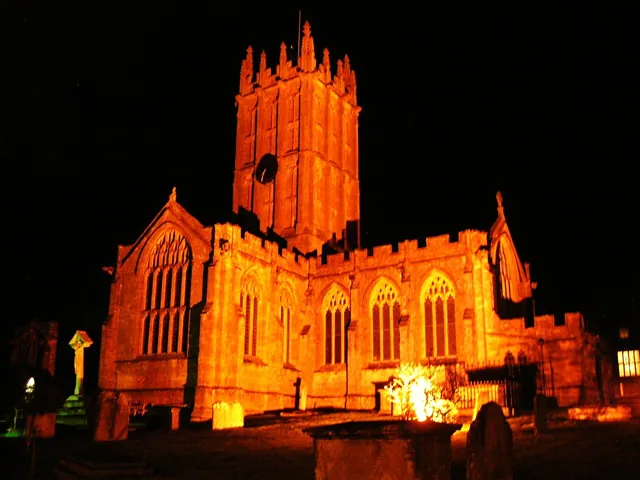
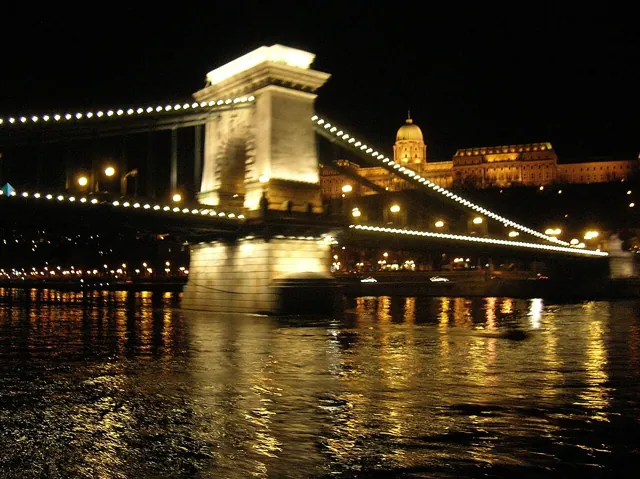
Real photographs taken with this camera. The sensitivity and shutter speed shown are recorded in each file's own EXIF data.
Like that look? See recent eBay sold listings for this camera ↗
On eBay right now
Live listings for this camera, supplied by eBay and updated automatically. We earn a commission if you buy through them.
The little wins
Two AA cells
Nikon's CIPA figures, as PhotographyBLOG and Imaging Resource quoted them, were 230 shots on alkalines and 360 on its EN-MH1 NiMH cells, with 630 on lithiums in Imaging Resource's account.56 DCRP wrote that 2,000 mAh cells could take 340 shots,4 and DigiCamReview liked never running out of a battery source.2 More in our AA-battery guide.
How it drew the picture
Imaging Resource measured strong detail out to about 1,100 lines per picture height vertically and 1,150 horizontally, called that about average, and found prints soft at 11 by 14 inches but acceptable at 8 by 10.6 PhotographyBLOG rated the pictures average and soft, with no way to change sharpening in camera;5 DigiCamReview called detail good and advised sharpening;2 DCRP found the images very good and slightly sharper than the 5600's, which it put down to the lower resolution (its macro test went the other way, with the 5600 noticeably sharper), yet wished for more.4 Imaging Resource found bright colours oversaturated but skin tones close to right, with a slightly warm cast and high contrast in harsh light;6 DCRP, in its macro test, preferred the 4600's more saturated colours to the 5600's.4 Fringing was disputed. PhotographyBLOG had to look extremely hard for any, DCRP saw none in its night shot, Imaging Resource rated it high at wide angle and moderate at telephoto, and DigiCamReview saw purple fringing around flash reflections.5462


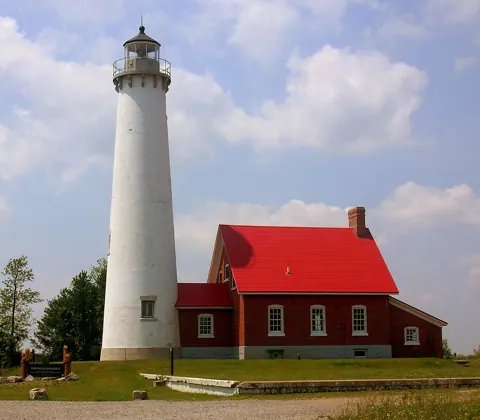

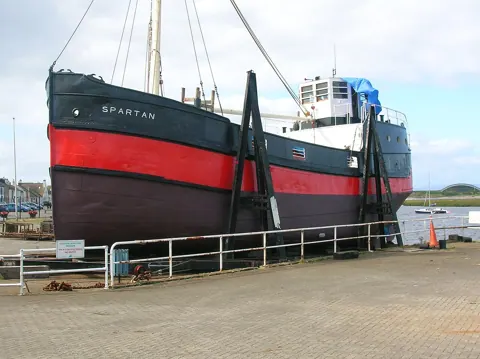
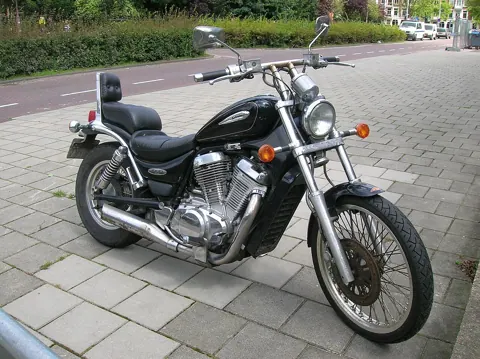






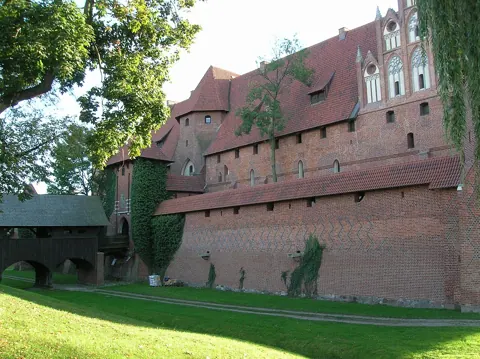

Photos taken with this camera, from Wikimedia Commons, credited under each picture.
Where it let you down
Speed depended on who timed it. Start-up was about 1.5 seconds for PhotographyBLOG, 2.8 for DCRP (who added that the start-up screen may need switching off to get that time) and 3.9 on Imaging Resource's data sheet.548 Imaging Resource measured shutter lag of 0.58 to 0.60 seconds on autofocus and 0.078 prefocused, while PhotographyBLOG and DCRP found it barely noticeable.654 Bursts differed too: PhotographyBLOG's spec table says up to 3 frames at 1.3 a second, DCRP five at about 1.4, and Imaging Resource up to eight large JPEGs, 0.7 seconds apart.546
The optical viewfinder showed 82 percent of the frame at wide angle and 88 at telephoto in Imaging Resource's test, against 97 and 99 for the screen;6 DigiCamReview found it small for a glasses wearer,2 and PhotographyBLOG disliked that a half-press of the shutter will not leave the menu or playback, so a shot can be missed.5 Imaging Resource's own text slips: it gives the lens as 35–105 mm equivalent where its announcement table says 34–102, and describes video at 30 frames a second in one place and 15 in its specifications.61
What the reviewers said
| Outlet | Date | Verdict |
|---|---|---|
| DigiCamReview.co.uk | 9 Mar 2005 (printed 09/03/05) | Rated “Recommended!”: very good image quality, easy to use and good value, let down by purple fringing and silent video.23 |
| DCRP | 31 Mar 2005 | A decent entry-level camera that earned a recommendation, though the reviewer said to skip it and the 5600 for the Coolpix 5900, judged better in low light.4 |
| PhotographyBLOG | 16 May 2005 | Three stars out of five: compact, stylish and easy, with only average, soft pictures and no ISO control; best outdoors.5 |
| Imaging Resource | 26 May 2005 (news post 6 Jun) | Named a “Dave's Pick” for good basic quality, ease of use, the scene and framing modes and a low price, despite weak low-light work.67 |
The timeline
- 16 February 2005Nikon announces the 4600, 5600 and 7600; the 4600 lists at $199.95 for March shipping.1
- 9 March 2005DigiCamReview.co.uk's review is dated 09/03/05; PhotographyBLOG noted it on 11 March.23
- 31 March 2005DCRP posts its joint 4600/5600 review; Imaging Resource's data sheet gives this as the availability date.48
- 16 May 2005PhotographyBLOG publishes its review.5
- 26 May 2005Imaging Resource's review is dated; its news post of 6 June names the camera a Dave's Pick.67
Should you buy one now?
Buy one if you want a very small, simple, AA-powered CCD compact with a good macro mode, and you will shoot outdoors or with flash and sharpen the soft files yourself. It launched at $199.95;1 what it sells for now is a question for the sold listings, not for us. Before you bid, check these:
- The name. The front plate should read COOLPIX 4600. The 5600 shares the body but has 5.1 megapixels and records sound,14 so read the photos in the listing.
- The batteries. It takes two AA cells, with alkalines in the box.6 Test it with a fresh pair; rechargeables are on Amazon ↗.
- The card. It takes SD cards and holds only about 14 MB inside, and the US box held no card.56 See our SD card guide and glossary.
- The cable. USB and video cables came in the box, sharing one jack under a rubber cover.56 Nikon's manual names them as the UC-E6 USB cable and the EG-CP11 video cable.9 The sources disagree on its USB speed (1.1 in Imaging Resource's data sheet, 2.0 in PhotographyBLOG's feature text, plain “USB” in Nikon's manual), so see our Nikon cable guide.859
- The flash and focus. Fire the flash twice and wait: Imaging Resource saw a recycle of about 12 seconds, and several reviewers struggled to focus in dim rooms.654
- The doors and lens. DCRP called the card door average,4 so check it closes, and that the lens cover slides clear and the lens extends and retracts cleanly.6
If you are wondering why cameras like this are being hunted down again, we tell that story once, in Pictures that never left the card.
See recent sold prices on eBay ↗Shop on eBay ↗AA rechargeables ↗
Sources
- Imaging Resource, “Nikon announces three new Coolpix digicams” by Mike Tomkins (16 Feb 2005; includes Nikon Inc.'s press release and spec table)
- DigiCamReview.co.uk, Nikon Coolpix 4600 review (page dated 09/03/05; archived copy)
- PhotographyBLOG news item on the DigiCamReview.co.uk review (11 Mar 2005)
- DCRP (Digital Camera Resource Page), Nikon Coolpix 4600/5600 review by Jeff Keller (posted 31 Mar 2005; archived copy)
- PhotographyBLOG, Nikon Coolpix 4600 review (16 May 2005; eight pages, unsigned)
- Imaging Resource, Nikon Coolpix 4600 review (review date 26 May 2005; signed in the first person, with the verdict by Dave Etchells in the news post below)
- Imaging Resource, “Nikon Coolpix 4600 review posted” by Dave Etchells (6 Jun 2005)
- Imaging Resource, Nikon Coolpix 4600 data sheet (date available 31 Mar 2005; retail price field $279.95; start-up 3.9 s; USB 1.1)
- Nikon, Coolpix 4600/5600 user's manual (English PDF; cables, memory cards and specifications)
Camera photos by Mschel and Linuxerist (both public domain); other photographs are credited under each one, all via Wikimedia Commons. Links to eBay and Amazon are affiliate links.