Canon PowerShot A · on sale March 2011
The Canon PowerShot A1200: the $110 compact that kept a viewfinder and ran on AA batteries
We found no other regional name for it: Canon's museum lists the same name for Japan, the US and Europe.1
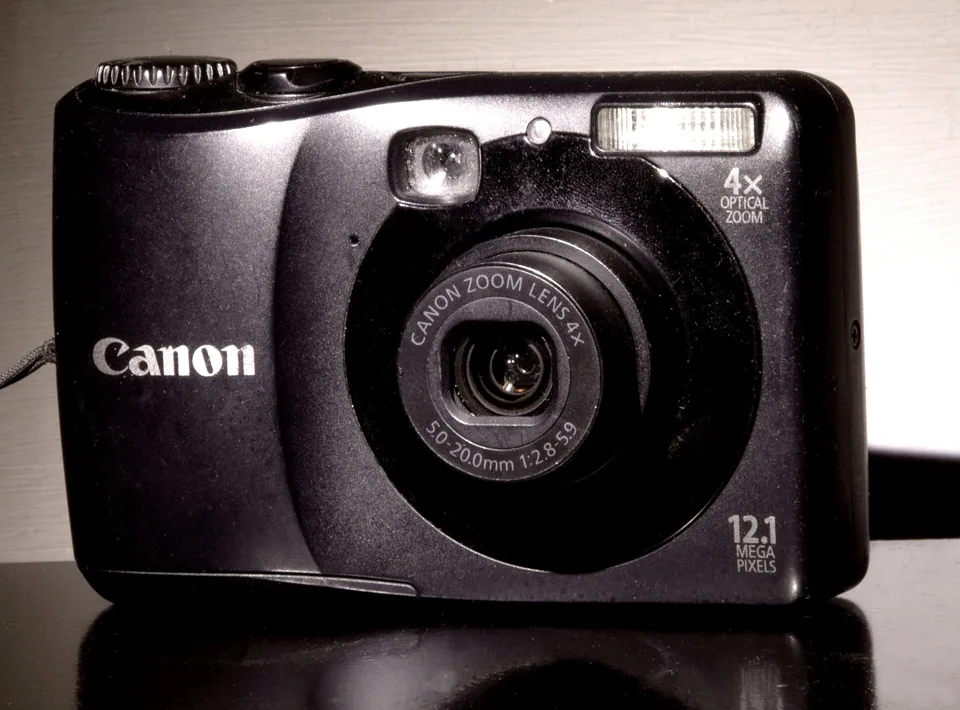

In January 2011 Canon announced a budget compact with a 28 mm lens, 720p video and a small optical viewfinder, all for about $110. The reviewers we found liked what it offered for the money and disagreed about its pictures.
- Launched
- March 2011
- Launch price
- About $110 planned4
- Sensor
- 12.1 MP CCD
- Lens
- 28–112 mm, 4×
- Card
- SDXC, SDHC, SD, MultiMediaCard
- Battery
- AA
Canon PowerShot A1200 specs: sensor, lens, battery, memory card and cable
The Canon PowerShot A1200 came out in March 2011 as a 12.1 MP CCD compact with a 28–112 mm (35 mm equivalent) 4× zoom lens. It runs on AA batteries. Sources
- Sensor
- CCD, 1/2.3", 12.1 MP source
- Lens
- 28–112 mm equivalent, 4× zoom source
- Memory card
- SDXC, SDHC, SD, MultiMediaCard source
- Battery
- AA source
- USB / A/V cable
- See our Canon cable page
Is the Canon PowerShot A1200 worth buying now?
It suits someone who wants a small, cheap compact for daylight pictures, running on two AA batteries that, as Cameralabs put it, you can easily replace on a trip.23 The 28 mm wide end and the viewfinder are the reasons to pick it over the cheaper A800.34 It is a poor fit for dim rooms without flash: Cameralabs found detail already suffering at ISO 400,3 and Canon's guide describes no image-stabiliser setting.2 Bursts are slow too, at about one shot a second in Program mode.2
What it does well
- A 4x zoom that starts at 28 mm equivalent, where the A800 starts at 37 mm. Cameralabs called the difference very important for interiors, panoramic landscapes and large groups.234
- Two AA batteries. Canon rates about 200 shots on alkalines and 450 on NiMH with the screen on, and about 650 and 1,100 with it off. It says NiMH lasts much longer, especially in the cold.2
- An optical viewfinder, which Cameralabs called a real asset: bright but small. Canon's guide suggests it for saving battery power.32
- Card capacity: Canon lists SD, SDHC, SDXC and MultiMediaCard types and says they can be used without restrictions on their capacities.2
What to watch
- Noise. Cameralabs saw more noise and softer detail from ISO 200 up, with detail suffering quite badly at 400.3 Photographic Central found it most useful between ISO 80 and 800.5
- A basic viewfinder. nicolodeon called it kind of useless, with no shooting information and, by the author's estimate, 90 to 95 percent coverage.6 Canon's guide says the camera does not detect faces when you shoot through it and that the view may differ slightly from the picture.2
- Slow bursts: Canon lists about 1.0 shots a second in Program mode and about 3.6 in Blur Reduction and Low Light modes.2
- Card compatibility. Canon says some cards may not work properly depending on the brand, and that some computer systems may not recognise SDXC cards even in a card reader.2
What do its photos look like?
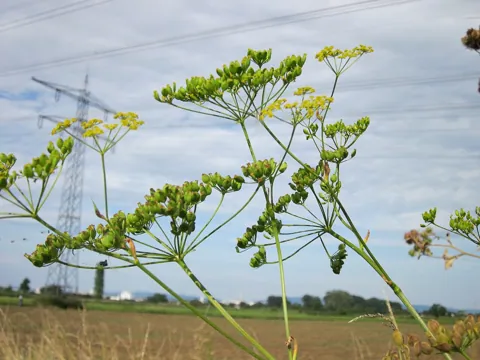
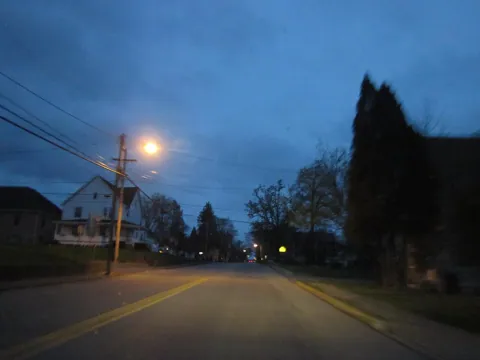
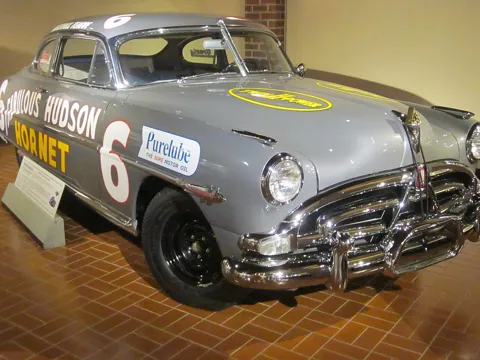
These eight pictures were taken with the A1200 (the EXIF model name reads Canon PowerShot A1200) and are on Wikimedia Commons under free licences. The line under each one comes from the file's own EXIF data: ISO, shutter speed, aperture, and whether the flash fired.
Daylight, dusk and a dim museum, no flash





With the flash


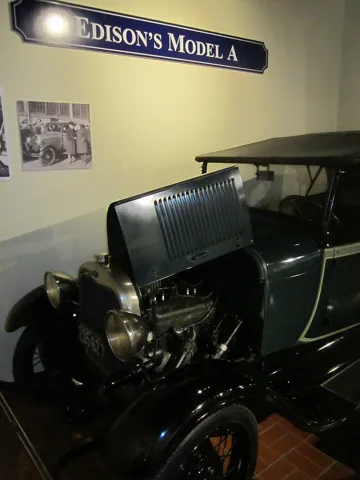



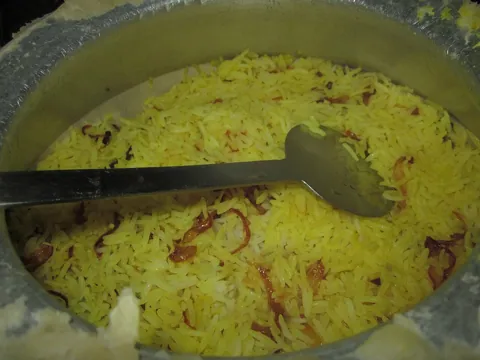

Flash pictures are rare in the free pool: the EXIF data says the flash fired in 123 of the 15,760 files in Commons' category "Taken with Canon PowerShot A1200" (our count from the file metadata, 28 October 2026). About half of that category, 7,964 files, is credited to one photographer, so it shows what a few photographers shot more than a spread of owners. We picked pictures with no people in them.
Will a used A1200 still work? What to check
These checks come from Canon's own guide, with page numbers, and from one collector's buying and repair list on Reddit. We have not tested a unit.
| Check | What to know |
|---|---|
| It switches on | Canon's troubleshooting list (p. 158): make sure the batteries are the right type and not flat, are inserted correctly, and that the memory card and battery cover is securely closed. If the battery terminals are dirty, Canon says to clean them with a cotton swab and re-insert the batteries several times.2 The collector says to try new batteries and clean the contacts with isopropyl alcohol, and that a camera which still will not start is dead.7 |
| The batteries | Two AA cells: alkaline, or Canon's AA NiMH. Canon does not recommend other types because performance varies widely (p. 16).2 A low-charge icon appears when the cells are nearly flat, and a "Change the batteries" message when they are depleted (p. 16).2 Our reading: since the batteries are ordinary cells, test with a fresh pair rather than the seller's. |
| The battery and card cover | The cover slides open and has to be closed and pressed down until it clicks (p. 15).2 If the lens will not retract, Canon's troubleshooting says not to open the cover while the power is on, and to turn the power on and off again after closing it (p. 158).2 The collector says disposable-battery cameras put a lot of stress on the battery lid, and that replacing a broken lid is usually impossible because spare parts are not on sale.7 |
| The clock battery | A separate date/time (back-up) battery holds the clock. Canon says it lasts about 7 years, names it as a CR1220 and gives the steps to replace it. If the Date/Time screen appears every time you turn the camera on, replace it (p. 156).2 |
| The memory card | The camera takes SD, SDHC, SDXC, MultiMediaCard, MMCplus and HC MMCplus cards without capacity restrictions, with the brand and SDXC-recognition cautions above (p. 14).2 "Memory card locked" means the card's write-protect tab is set to lock (pp. 15, 161).2 Canon says to format a card in the camera if it came from another device (p. 21).2 Our card lookup covers other cameras. |
| Getting pictures off | Canon lists the IFC-400PCU interface cable as supplied, and also sold separately (pp. 2, 36).2 See our IFC-400PCU page. The AV cable AVC-DC300 is sold separately (pp. 36, 116).2 A card reader works too (the accessory diagram on p. 36 shows one), subject to the SDXC caution above.2 The collector's list says a USB cable or card adapter should come with the camera if possible.7 |
| Screen, viewfinder and lens | 3DNews said the screen's protective cover marks and scratches easily.8 Canon says part of the lens may be visible through the viewfinder at some zoom positions (p. 100).2 Our reading: seeing the lens there is not by itself a sign of damage. If the flash will not fire, the collector calls it a broken capacitor not worth repairing.7 |
| The seller | The collector's advice for private sellers: arrange a meetup if possible, check the seller's previous ratings, and treat a deal that looks too good to be true with suspicion.7 |
Meet the camera
It is a small, plain, black or silver camera, 97.5 by 62.5 by 30.7 millimetres and about 185 grams with batteries and card.14 Canon announced it on 5 January 2011 alongside the A800, with a planned price of about $110 and a March release.4 Canon's museum lists it as marketed in March 2011.1 Imaging Resource pointed out that it was the first A-series model to record 720p video.9 Cameralabs called it a budget compact that sits just above the A800 and costs a little more.3
The reason to look at it today is its oddities. It has an optical viewfinder, which Imaging Resource called increasingly rare, and it runs on two AA batteries, which Cameralabs counted as a plus because you can replace them on the road.93 The lens starts at a 28 mm equivalent view, where the cheaper A800 starts at 37 mm.34
Why this one was interesting
A viewfinder at the bottom of the range
Canon's own pitch, as Imaging Resource reported it, was that the viewfinder makes framing easy on a sunny day and saves battery power.4 Cameralabs agreed, calling it a real asset: bright but small, and switching the screen off while you use it stretches battery life.3 Reviewers did not all share that view. The nicolodeon blog called it kind of useless, since it shows no shooting information and, in the author's estimate, covers roughly 90 to 95 percent of the scene.6 3DNews said it has no eyecup, takes getting used to, and that the screen has to be switched off by hand when you use it.8 Photographic Central called it small but useable.5
Wide at last
The lens starts at 28 mm where the A800's starts at 37 mm.34 Cameralabs said the extra range is all at the wide end and called it a very important difference for interiors, panoramic landscapes and large groups.3
HD video, within limits
Canon lists 1280 by 720 pixels at 24 frames per second, and 640 by 480 at 30.110 Two reviewers described the 720p mode as running at 30 fps,85 which does not match Canon's own specification, so we follow Canon. 3DNews added that autofocus and optical zoom do not work while recording, and called the quality good for the price but not for large screens.8
AA batteries
Canon rates it at about 200 shots on alkaline AAs and about 450 on NiMH cells, using the CIPA test.1 Cameralabs called the alkaline figure on the low side, but quoted about 650 shots with the screen off and the viewfinder in use. Two alkaline cells came in the box, and the mains cable was an optional extra.3 Canon names its NB-3AH as the NiMH option, which 3DNews said was bought separately.18 3DNews counted 266 shots on the supplied cells,8 while nicolodeon counted 428 in mixed use.6 Photographic Central found battery life excellent with rechargeable Eneloop or lithium cells and decent with alkalines.5
If you like AA-powered Canons, see our reviews of the older PowerShot A590 IS and PowerShot A640.
What was lost
Next to the A800 the A1200 cost about $20 more and added the viewfinder, a larger and sharper screen, 720p video and 32 Smart Auto situations in place of 19.4 Cameralabs found the extra resolution did not bring better pictures: in its tests the A800 won on image quality. It still judged the A1200's wide lens, video, extra exposure modes and viewfinder more than worth the price difference, and said the A800 suits anyone who does not need the 720p video, the wide angle or the viewfinder.3 Its sibling the A2200, launched with it, has 14.1 megapixels and a lithium-ion battery, according to Cameralabs, and 3DNews called it nearly identical apart from the battery.38
The dark: its weak point
Cameralabs rated ISO 80 as good but less crisp than a typical Canon compact. At ISO 200 it saw more noise, more processing and softer detail, at 400 detail was beginning to suffer quite badly, and from 800 upward it said quality had suffered badly, reaching the point where 1600 would normally be the limit.3 The same review found the A800 still gave great results at ISO 400 where the A1200 was soft and grainy.3 Photographic Central found it most useful between ISO 80 and 800.5 The nicolodeon blog was kinder, finding low noise and good detail in indoor portraits taken without flash.6
The Low Light and Blur Reduction modes reach higher ISO values but record only about 2 megapixels. In one test at full zoom, Cameralabs found Program mode at ISO 400 and 1/30 second gave a much better, full-resolution result than Blur Reduction at ISO 3200 and 1/250.3 Canon rates the flash at about 4 metres at wide angle and 2 metres at telephoto.10 Recharge time is a point of disagreement: Cameralabs reported about 4 seconds, and the Imaging Resource overview says about twelve.39
The free photos from this camera on Commons are mostly daylight pictures, with no usable low-light shots whose sensitivity is recorded, so this page shows no low-light strip.
On eBay right now
Live listings for this camera, supplied by eBay and updated automatically. We earn a commission if you buy through them.
The little wins
A real mode dial
Cameralabs liked the eight-position dial that turns a full circle, putting Program and Movie one click apart, and the control pad with direct keys for exposure compensation, flash, self-timer and macro.3
Live View Control
The shortcut menu offers sliders for dark to light, neutral to vivid and cool to warm, which Cameralabs liked, along with six Creative Filters including Fish-eye, Miniature and Toy Camera.3
Quick, decisive focus
Cameralabs found Face AiAF fast and accurate and nine-area focus fast and decisive, and working pretty well even in low light.3 3DNews measured about 0.55 seconds for autofocus and called its speed average.8
Ready quickly
3DNews timed start-up at 2.17 seconds and a full zoom sweep at 1.24 seconds.8
How it drew the picture
Cameralabs tested it outdoors and found good exposure and contrast, with slight highlight clipping, grainy-looking flat areas such as sky and sea, softened fine detail, and purple fringing near the edge of the frame.3 Its A800 comparison favoured the A800, which looked cleaner and sharper at 100 percent, and it found the Nikon L24's outdoor results markedly worse than both Canons, though the difference was hard to see unless you viewed at 100 percent.3 The nicolodeon blog found images soft, especially at the edges, with distortion at the widest setting.6 3DNews measured exposure errors of about +0.3 EV under fluorescent light and white balance noticeably off under halogen lamps, and recommended presets there.8






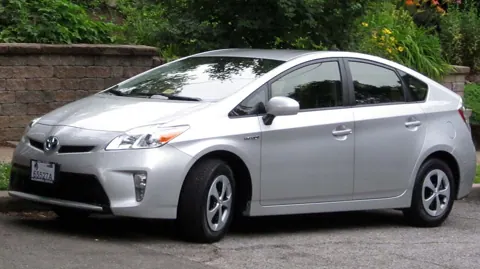



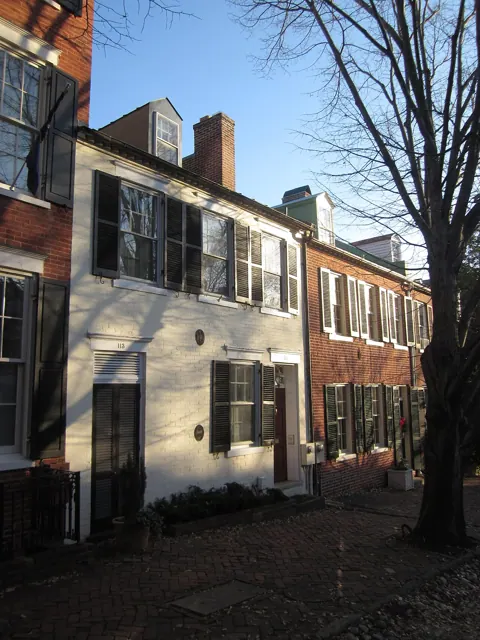



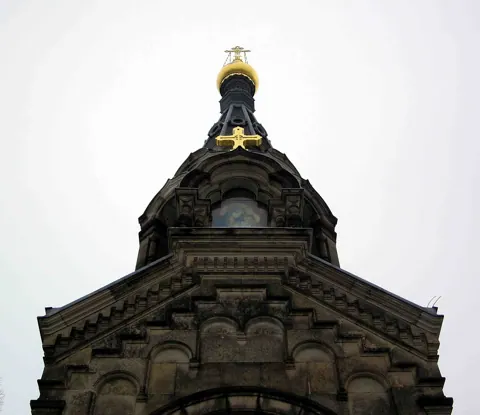

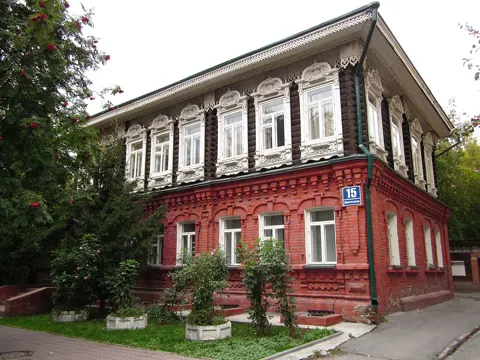

Photos taken with this camera, from Wikimedia Commons, credited under each picture. They come from a few uploaders, so this is a sample of what it can do, not a test.
Where it let you down
There is no image stabilisation, which Cameralabs called disappointing but acceptable at this price.3 The same review listed slow continuous shooting at about 1 frame per second, with a lag before the last shot appears, an audible zoom motor, a glossy screen that smudges and has poor viewing angles, and a digital zoom that gives dreadful pixellation.3 The nicolodeon blog measured a burst of about 3.5 frames per second in Program mode,6 which does not match Cameralabs, and said the camera froze when the author pressed many buttons quickly, until the batteries were taken out.6 3DNews said the screen stays readable in direct sun but you cannot judge exposure or white balance on it there, and noted narrow vertical viewing angles.8 Photographic Central missed a paper manual and a live histogram.5
What reviewers said
| Outlet | Date | Verdict |
|---|---|---|
| nicolodeon (blog) | 17 May 2011 | Given the choice against the Sony W510, picks the A1200 for colour, noise control and features, despite softer images.6 |
| 3DNews | 19 May 2011 | Cheap, but close to more expensive models. Good: small white balance error under fluorescent light, easy AA batteries. Bad: metering under fluorescent light, average autofocus and speed. No score.8 |
| Cameralabs | 14 Dec 2011 | 84 percent, Highly Recommended (build 17, image quality 17, handling 16, specification 16, value 18, all out of 20). "All but redefined the budget compact".3 |
| Photographic Central (blog) | 6 Jul 2013 | One of the best point-and-shoots for its price that the author had used; its biggest blemish was no live histogram, and it lacks a paper manual. A bargain unless you need manual modes or stabilisation.5 |
Imaging Resource's page for the camera is an overview with specifications, not a full test.9
The timeline
- 5 January 2011Canon announces the A1200 with three siblings, at a planned price of about $110.4
- March 2011Marketed, according to Canon's museum.1
- 17 May 2011The nicolodeon blog publishes its head-to-head.6
- 19 May 20113DNews publishes its test.8
- 14 December 2011Cameralabs publishes its review.3
- 6 July 2013Photographic Central publishes its review.5
Settings in Canon's guide that change how pictures look
Canon's guide lists these. We have not tested how each one looks on a used camera.
| Setting | What Canon's guide says | Page |
|---|---|---|
| Flash modes | Auto, On, Slow Synchro and Off. The effective range is about 30 cm to 4.0 m at wide angle and 50 cm to 2.0 m at telephoto. Slow Synchro lights the subject with the flash and uses a slow shutter speed to brighten the background, and Canon says to use a tripod.2 | 54, 81, 97 |
| My Colors | Off, Vivid (more contrast and saturation), Neutral (less), Sepia, B/W and Custom Color, where contrast, sharpness and saturation each have five levels.2 | 86 |
| White balance | Auto, Day Light, Cloudy, Tungsten, Fluorescent, Fluorescent H and Custom. Canon says white balance cannot be set with the Sepia and B/W tones.2 3DNews saw white balance noticeably off under halogen lamps and recommended presets there.8 | 82, 86 |
| ISO speed | Auto, 80, 100, 200, 400, 800 and 1600. Canon groups 80 to 200 for fine weather outdoors, 400 and 800 for cloudy or twilight conditions, and 1600 for nightscapes and dark interiors. It says a higher ISO allows a faster shutter and a longer flash reach but gives coarse pictures.2 | 83, 178 |
| Live View Control | Sliders for brightness, colour (neutral to vivid) and tone (cool blue to warm red).2 | 67 |
| Creative Filters | Fish-eye Effect, Miniature Effect, Toy Camera Effect, Monochrome, Super Vivid and Poster Effect.2 | 68-72, 179 |
| i-Contrast | Detects areas that are too bright or too dark and adjusts them when shooting; Canon warns that the picture may look coarse or not be corrected properly under some conditions.2 | 84 |
| Digital zoom | Up to about 16x in combination with the optical zoom, 28 to 448 mm equivalent. Canon says pictures may look coarse when the zoom factor shows in blue, and the digital zoom can be turned off in the menu.2 | 55, 179 |
Should you buy one now?
Buy one if you want a cheap, light compact that runs on AA cells you can swap on a trip,3 with a wide lens and a viewfinder for sunny days,4 and you are happy with soft pictures in dim light.3 Canon announced it at a planned price of about $110;4 what it sells for now is a question for the sold listings, not for us. We have not tested a unit yet. Before you bid, check these:
- The name. Search the Canon PowerShot A1200.1 The A800 and A2200 are different cameras.3
- The batteries. It takes two AA cells, alkaline or NiMH;1 rechargeables on Amazon ↗ will do better than the supplied alkalines.35
- The card. It takes SD, SDHC and SDXC cards.1 See our memory card guide.
- The screen. The screen's protective cover marks and scratches easily (3DNews).8
- The lens. The zoom motor is audible.3 Our reading, not from a source: check that the lens extends and retracts fully and the glass is free of scratches.
- The cable. Canon supplied only a USB cable, and the camera has USB, DC-in and AV ports.3
Where to look for one
Canon's guide lists two AA alkaline batteries, the IFC-400PCU cable and a wrist strap as supplied, and says a memory card is not included.2 A listing that names those items, or says what is missing, saves a question. The buttons below go to recent sold listings and current offers on eBay, and to AA rechargeables.
If you are wondering why cameras like this are being hunted down again, we tell that story once, in Pictures that never left the card.
See recent sold prices on eBay ↗Shop on eBay ↗AA rechargeables ↗
Sources
- Canon Camera Museum, PowerShot A1200 (names, March 2011 marketing, lens, video, battery, media, size, weight)
- Canon, PowerShot A1200 Camera User Guide (PDF; page numbers are the printed ones)
- Cameralabs, Canon PowerShot A1200 review by Gordon Laing (14 Dec 2011, four pages: 84 percent)
- Imaging Resource, Canon announces four new A-series PowerShots (5 Jan 2011: planned price, A800 comparison table)
- Photographic Central, Canon PowerShot A1200 review by Carl Garrard (blog, 6 Jul 2013)
- nicolodeon's journey into the unknown, head-to-head review of the Canon PowerShot A1200 and Sony Cyber-shot W510 (blog, 17 May 2011)
- r/VintageDigitalCameras, “A GUIDE TO DIGICAMS - BUYING & REPAIRING” (28 March 2025): one collector's buying and repair list, not a test
- 3DNews (Russia), 'Canon PowerShot A1200: cheap and cheerful' by Sergey Verveyko (19 May 2011; read in Russian)
- Imaging Resource, Canon A1200 overview and specifications (CCD sensor, f/2.8 to f/5.9 lens, 'a first for the Canon A-series' video)
- Canon Singapore support, PowerShot A1200 specifications (viewfinder, flash range, CIPA battery figures, video frame rates)
Photographs are credited under each one, all via Wikimedia Commons. Links to eBay and Amazon are affiliate links.