Canon PowerShot ELPH / IXUS · 2009 · a retrospective
The Canon PowerShot SD780 IS (Digital IXUS 100 IS): the slimmest ELPH, and the argument about its pictures
Sold in Europe as the Digital IXUS 100 IS and in Japan as the IXY Digital 210 IS.
In 2009 Canon wrapped a 12-megapixel CCD, a stabilised 33–100 mm zoom and 720p video in a metal body only 18.4 mm thick. Reviewers loved the size and quarrelled about the pictures: one gave it three stars out of five, another four and a recommendation.
Release date and launch price: launched February 2009; launch price $279.99 · £299 · €3493.
Quick answers
- Sensor
- CCD, 1/2.3", 12.1 MP source
- Lens
- 33–100 mm equivalent, 3× zoom source
- Memory card
- SDHC, SD, MultiMediaCard source
- Battery
- NB-4L source
- Also sold as
- Digital IXUS 100 IS · IXY Digital 210 IS
- USB / A/V cable
- IFC-400PCU, AVC-DC400 Confirmed · all Canon cables
Meet the camera
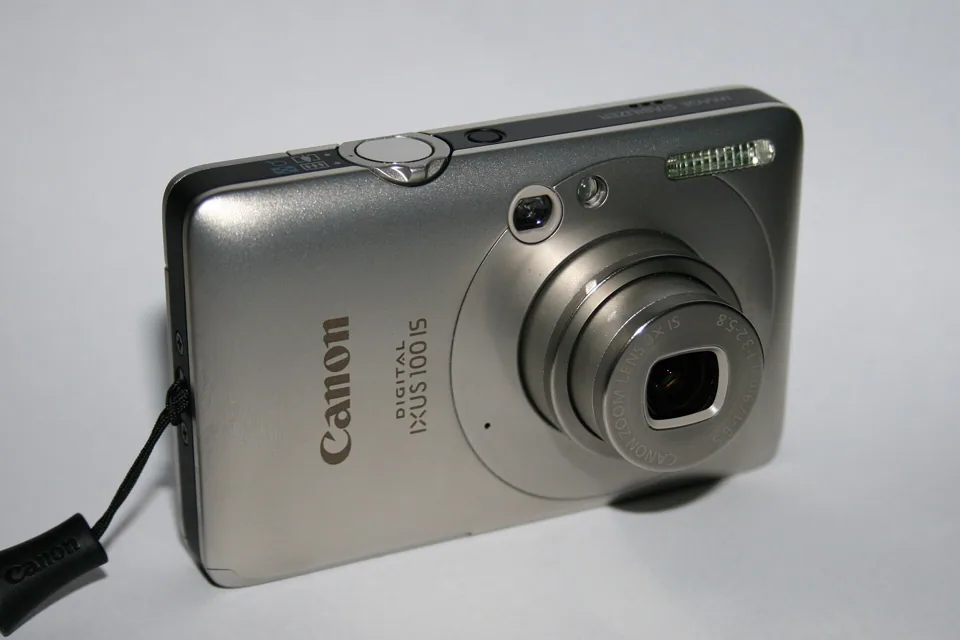
Canon's museum page calls it the slimmest model in the whole IXY series, at 18.4 millimetres thick, and says the body is 2 mm slimmer than its predecessor, mainly thanks to a newly developed ultra-compact stabiliser unit.1 It measures 87.0 by 54.5 by 18.4 millimetres and weighs about 115 grams without battery and card, and it came in silver, gold, black and red.1 PhotographyBLOG described a build mixing metal and well-disguised plastic, reassuringly weighty in the palm, and found the front plate scuffed and scratched during its two-week test.3
It had three names. Canon sold it as the PowerShot SD780 IS Digital ELPH in the United States, the Digital IXUS 100 IS in Europe and the IXY Digital 210 IS in Japan, and Canon's museum lists it as marketed in February 2009.1 Imaging Resource gave an MSRP of $280 and availability from March 2009;2 PhotographyBLOG listed $279.99, £299 and €349, and called £299 not cheap but fair.3 PhotographyBLOG described it as the successor to the IXUS 85 IS / SD770 IS.3
- Sensor
- 12.1 MP CCD, 1/2.3"1
- Lens
- 3x, 33–100 mm equiv., f/3.2–5.8, lens-shift stabiliser1
- ISO
- 80 to 1600, with 3200 as a shooting mode1
- Video
- 1280 × 720 at 30 fps, H.264 in a MOV file, HDMI output1
- Card and battery
- SD/SDHC (MMC also listed) · NB-4L, about 210 shots per charge (CIPA)1
- Size
- 87.0 × 54.5 × 18.4 mm, about 115 g without battery and card1
- Launch price
- $279.99 · £299 · €3493
Why this one was interesting
Thin, and still stabilised
Imaging Resource found it at first strikingly small and slim, listed smooth corners that make it easily pocketable among its pros, and noted that it was 0.8 mm thinner than the SD1000 (our SD1000 review).2 Neocamera praised the sturdy metallic body and rated power-on time as first-class, with focus speed and shutter lag also rated highly with the flash off;5 Reviewed.com called it absolutely tiny, with a pleasant heft for its size.6
720p video and an HDMI port
PhotographyBLOG listed two more megapixels, 720p video, an HDMI port and scene recognition in Auto as the changes from the previous model, and called the video a major point of difference from the IXUS 95 IS launched beside it.3 Imaging Resource said the stabiliser is especially helpful for HD movies, and suggested that movie mode is the exception to its flare worries and the camera might serve someone who wants a very small 720p camera.2
Smarter Auto
In Auto, Imaging Resource found the camera analyses the scene, picks a scene mode and switches itself to macro when a close subject is detected; it said face detection works well and fast.2 PhotographyBLOG said the Smart Auto mode chooses from 18 scene modes.3
For the line it came from, see our reviews of the SD870 IS, the SD1100 IS and, from a year later, the SD1400 IS.
What was lost
Cameralabs noted the battery rating had fallen to 210 shots by CIPA rules, down from the predecessor's 300.4 It also found the lens no wider than 33 mm a limitation, with no manual exposure controls, no raw files and a burst rate of 0.8 frames per second.4 Imaging Resource found the optical viewfinder very small and the buttons small enough to trouble larger hands, and it lacks a grip, though the review recommended the included wrist strap.2
The dark: its weak point
The reviewers read the same sensor differently. PhotographyBLOG found images clean practically up to and including ISO 800, with detail softening at ISO 1600.3 Imaging Resource said detail was already quite soft at ISO 80 and advised not shooting much above ISO 200; its print guide called ISO 400 usable at 8 by 10 inches and ISO 800 too soft at that size, though less objectionable at 4 by 6.2 Neocamera found ISO 80 and 100 clean and sharp, called ISO 800 and 1600 borderline useless, and blamed very aggressive noise reduction.5 Reviewed.com thought noise was reasonable overall, though ISO 800 and above looked smeared by noise reduction.6


Real photographs taken with this camera (sold in Europe as the IXUS 100 IS). The sensitivity shown is recorded in each file's own EXIF data.
Like that look? See recent eBay sold listings for this camera ↗
On eBay right now
Live listings for this camera, supplied by eBay and updated automatically. We earn a commission if you buy through them.
The little wins
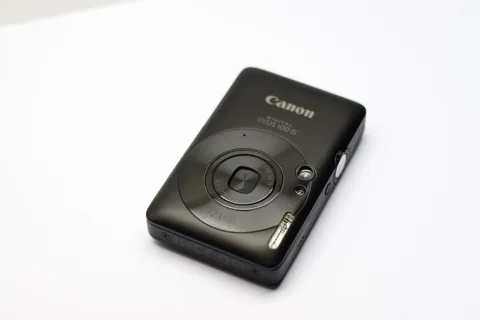
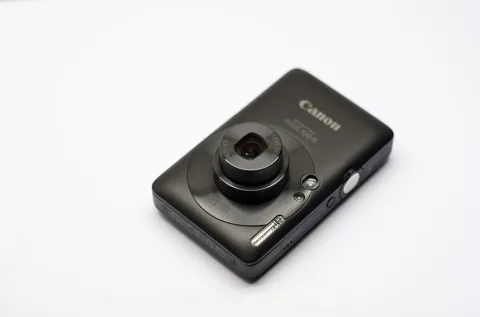 The SD780 IS in silver. · BenGrantham from Portland, OR, · CC BY 2.0 · Commons
Face detection that shows its work
After a face is detected and the shutter is half-pressed, Imaging Resource saw the face enlarged in a window to check focus, exposure and expression; it also listed blink detection and Servo AF as new menu options.2
Macro to 3 cm
Canon lists macro focus from 3 centimetres,1 and Imaging Resource called the macro mode very good.2


How it drew the picture
Here the reviews pull apart. Imaging Resource found softness in the corners, moderate chromatic aberration at wide angle, and lens flare that cut contrast and made white objects glow; its cons list says overall resolution is significantly diminished by overaggressive noise processing and lens flare, and it said the camera could not capture the detail of the two-year-old 7.1-megapixel SD1000.2 PhotographyBLOG called the lens not the sharpest ever, out-of-the-camera images just a little soft at default sharpening and purple fringing no worse than rivals, and scored image quality 4 out of 5.3 Reviewed.com said sharpness and resolution were strong, outscoring the other two cameras in its comparison (a Nikon S630 and a Sony T900), but colour accuracy was unusually poor;6 Imaging Resource found colours somewhat muted but mostly accurate,2 and Neocamera called colour accuracy very good, with a tendency to overexpose and limited dynamic range.5




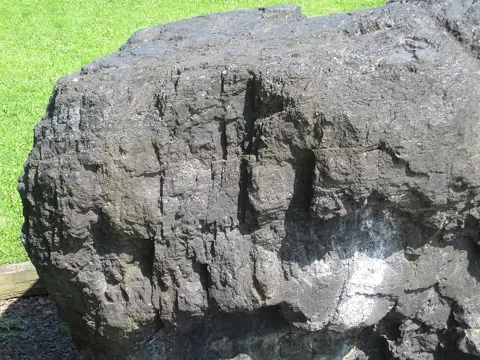

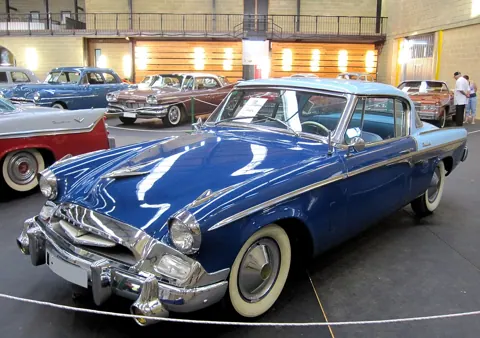





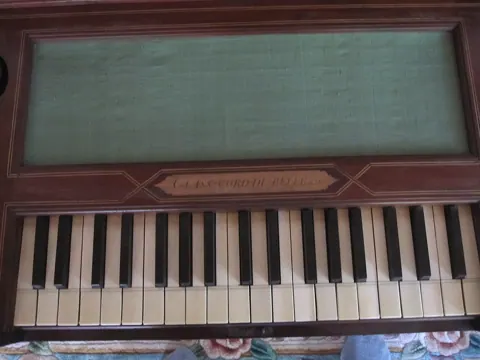





Photos taken with this camera, from Wikimedia Commons, credited under each picture.
Where it let you down
Battery life was rated 210 shots,1 which Imaging Resource called below average and Neocamera quite poor, while Reviewed.com found the 210-shot rating somewhat low but about what it experienced.256 Neocamera measured continuous shooting below one frame per second and a shot-to-shot time just under 3 seconds, with shutter lag rising when the flash is on.5 Imaging Resource measured a flash recycle of 6.8 seconds after a full-power discharge, and found its handheld indoor test shots soft, with some needing ISO 800 for exposure.2 Reviewers disagreed on the grip: Imaging Resource found none, Neocamera found the body hard to hold, and Cameralabs found it effective.254 In video, Reviewed.com and Cameralabs said only digital zoom works while recording, and Cameralabs found the footage soft and at times muted, noting that side by side with a Panasonic TZ7 / ZS3 both cameras recorded roughly the same detail and the Panasonic was arguably over-sharpened.64 PhotographyBLOG noted you must supply your own HDMI cable, and that there is no internal memory, so a card is needed at once.3
What the reviewers said in 2009
| Outlet | Date | Verdict |
|---|---|---|
| Imaging Resource | Dated 04/01/09 | 3.0 out of 5. Liked the way it works; flare and heavy noise reduction held back detail, with results it called remarkably poor for 12 megapixels; recommended the SD880 IS instead.2 |
| PhotographyBLOG | 11 May 2009 | 4 stars and a recommended award. Design 5, features 4, ease of use 4, image quality 4, value 3.5 out of 5.3 |
| Neocamera | 18 May 2009 | Average. Compromises a bit too much for its size and sensor; image quality below average, and it compared poorly with the Fuji F200 EXR.5 |
| Reviewed.com | Undated | A decent camera poured into a very small package; sharp but poor colour, tiny buttons and viewfinder.6 |
| Cameralabs | 30 Nov 2009 | Comfortable one-handed grip, 720p video and HDMI; no true wide angle, manual exposure control or raw, and a 210-shot battery rating.4 |
The timeline
- February 2009Canon's museum lists the camera as marketed.1
- March 2009Imaging Resource lists availability, at an MSRP of $280.2
- 11 May 2009PhotographyBLOG publishes its review.3
- 18 May 2009Neocamera publishes its review.5
- 30 November 2009Cameralabs publishes its review.4
Should you buy one now?
Buy one if you want an almost flat metal ELPH for bright-day snapshots and short 720p clips, and you accept that reviewers split on how good its pictures are. It launched at $279.99;3 what it sells for now is a question for the sold listings, not for us. Before you bid, check these:
- The name. It is the PowerShot SD780 IS in the US and the Digital IXUS 100 IS in Europe, so search both.1
- The battery. It uses an NB-4L, rated at about 210 shots;1 a fresh one is on Amazon ↗.
- The card. It takes SD and SDHC cards and has no built-in memory;13 see our memory card guide.
- The front plate. PhotographyBLOG saw it scuff easily, so look at the finish.3
- The lens. Check that it extends and retracts cleanly and that photos are not hazy.
If you are wondering why cameras like this are being hunted down again, we tell that story once, in Pictures that never left the card.
See recent sold prices on eBay ↗Shop on eBay ↗NB-4L battery ↗
Sources
- Canon Camera Museum: PowerShot SD780 IS DIGITAL ELPH / Digital IXUS 100 IS / IXY DIGITAL 210 IS (names, February 2009, specifications)
- Imaging Resource, Canon SD780 IS review by Shawn Barnett and Mike Tomkins (dated 04/01/09; availability March 2009, MSRP $280)
- PhotographyBLOG, Canon Digital IXUS 100 IS review and image quality page by Gavin Stoker (11 May 2009)
- Cameralabs, Canon PowerShot SD780 IS / IXUS 100 IS review by Gordon Laing (30 Nov 2009)
- Neocamera, Canon PowerShot SD780 IS review (18 May 2009)
- Reviewed.com, Canon PowerShot SD780 IS review by Tim Barribeau (undated; list price $280)
Camera photos by thomy_pc (public domain) and BenGrantham (CC BY 2.0); other photographs are credited under each one, all via Wikimedia Commons. Links to eBay and Amazon are affiliate links.