.jpg)
It is 2006 and the party is in someone's flat. The lights are low and the music is loud. There is exactly one camera in the room, a silver compact that belongs to somebody called Dan, and every time it comes out the room rearranges itself: people grab their friends, someone pulls a face, someone else shouts that it had better not go online. The flash fires. It is the only photograph of the night.An imagined scene, for setting the mood
The camera makers knew
Companies that built these cameras understood where they would be used. When DPReview reviewed Fujifilm's F30 in 2006, its reviewer observed that most average casual snapshooters were likely to use their camera at dimly lit social occasions more than at any other time, which is why a camera that could take flash-free pictures without blur mattered.6 In 2008, the same site's review of Canon's SD1100 IS noted that its flash recycled quickly, which was useful when shooting at a party or in the pub, even if the flash was weak.7 The compact digital camera, in other words, was a party camera. We cover both in our retrospectives of the Fujifilm FinePix F30 and the Canon PowerShot SD1100 IS.
Someone with a website
In early 2004 a young Los Angeles photographer named Mark Hunter started posting pictures from the parties he went to on a website he called Polaroid Scene.1 He had been working as an assistant to the artist Shepard Fairey, went to parties and events with him, and brought a camera along. People kept asking him to take pictures for them because they had left their own cameras at home.1
The site lasted about nine months, he told W Magazine, long enough for a write-up in The New York Times and a cease-and-desist letter from Polaroid. He renamed it after an e-mail address, The Cobrasnake.2 Wikipedia, quoting Vogue, calls it one of the earliest and most impactful social photography sites of its kind.1 In its heyday, W describes it as the go-to site for cool-kid voyeurism, and says even the regulars who were not famous could become known through his galleries.2 He shot with, as W puts it, his trusty Canon.2
That is a paraphrase of how Dazed describes the time: a world before smartphones, with MySpace as the social network, where the best way to get a good picture of yourself was to go to a club and hope a roaming photographer was snapping candids across the dancefloor.3
Wanting to be seen
Hunter noticed something change while he worked. "In the earlier years, people didn't want their photos taken, and suddenly they did," he told W.2 Being photographed became part of the night. He also said he rarely asked permission, because he liked to capture the moment.2 That tension, between the person who wants to be seen and the person who might not, is the other side of the flash. Our story about pictures that never left the card is about the quieter version of the same camera.
.jpg)
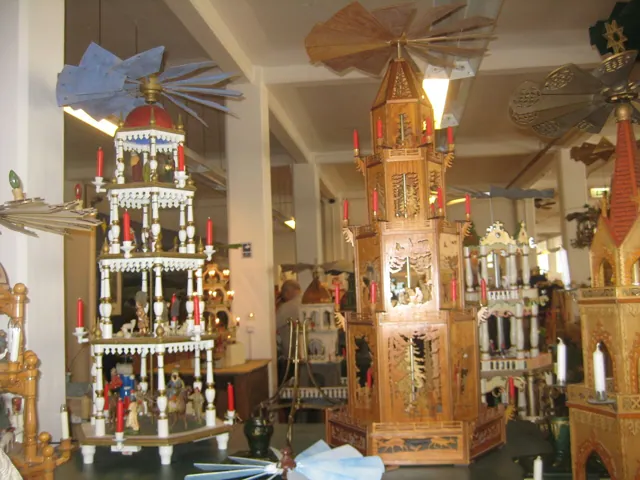


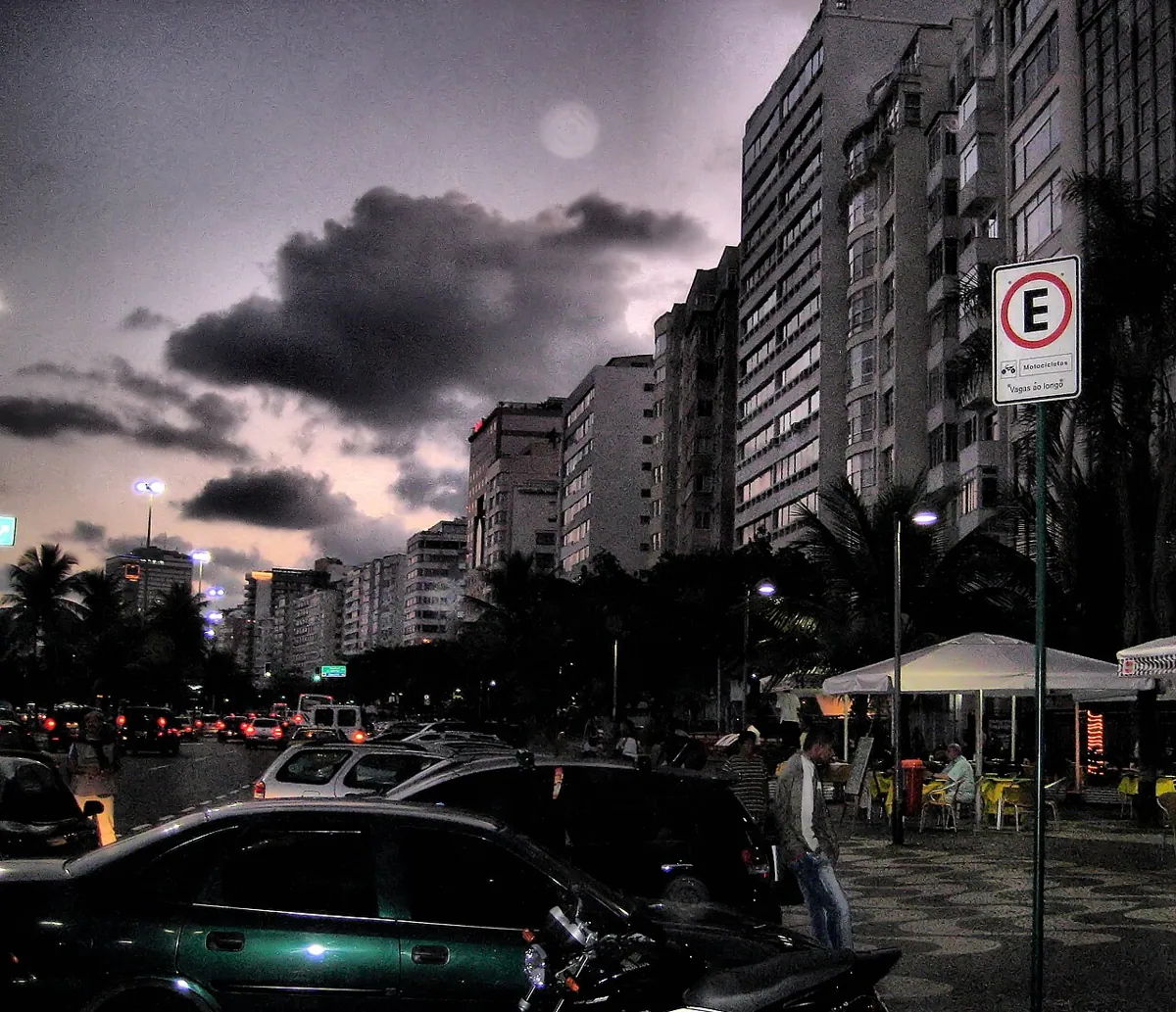
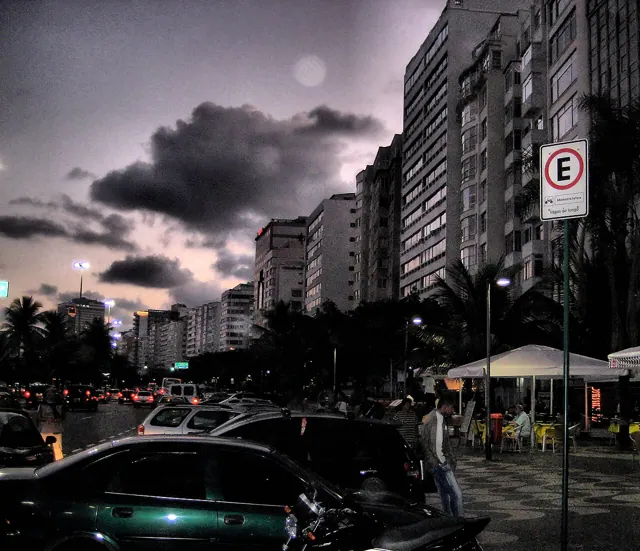
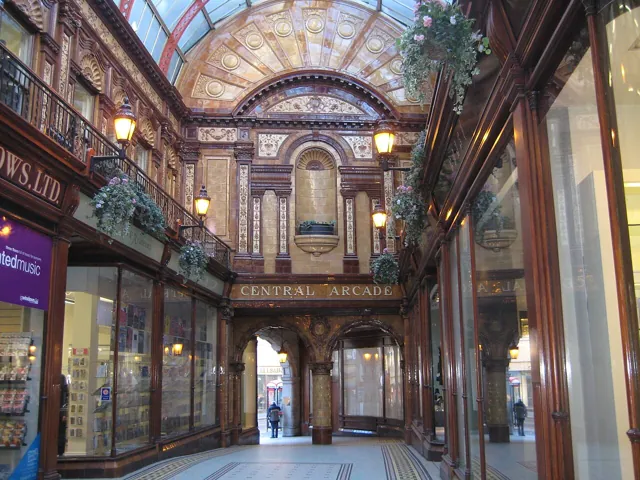
Real photographs taken with the same kind of camera, from Wikimedia Commons. We use no photographs of identifiable people.
Then everyone had one
Hunter's book, The Cobrasnake: Y2Ks Archive, collects a small part of an archive of about half a million photographs and runs chronologically from 2004 to 2010, ending around the year Instagram launched.3 That was also when he stepped back. In the 2010s, he told Dazed, he took a break from nightlife photography: there was an influencer influx, everyone was taking selfies and posing, and it was not as interesting to capture.3
Once every phone could photograph a party, the roaming photographer's job disappeared. The picture that took a stranger and a website to produce could now be taken by anyone, instantly, and posted before the night was over.
Why the flash is back
A trend forecaster speaking to Nylon listed pre-Instagram amateur flash photography among the hallmarks of the indie sleaze period that the forecaster expected to return, along with now-vintage technology such as digital flash cameras, and singled out the heyday of The Cobrasnake, around 2005 to 2008.4 A student writer at Varsity, describing the revival in Cambridge, noticed old digital cameras becoming staples, friends being snapped from above, and nights out being photographed as hazy as they felt without endangering a camera that took over a year to save up for.5
When Hunter's book came out, Dazed noted, the dominant look was posed, manicured and filtered, and it arrived at a moment when the appetite for unfiltered, messy nights was high.3 The flash photograph is a response to that: harsh, quick and uncurated. Not everyone likes the revival. Varsity also quoted someone observing that the aesthetic only really exists in hindsight and is too broad to pin down.5
What the cameras offer is simple. Somebody still has to hold one, and it still takes a moment to decide who gets to look at the result.
If you want the camera
Any of the compact cameras we review would have been at a party in 2006 or 2008. For the flash and the noise, the F30 was built for dim rooms; the SD1100 IS was a pocketable favourite; the A590 IS was the cheap one that ran on AA batteries. See what Canon ELPH cameras have recently sold for on eBay ↗
Sources
- Wikipedia, “Mark Hunter (photographer)” (career: Polaroid Scene, The Cobrasnake, 2022 book)
- W Magazine, “Mark Hunter (AKA The Cobrasnake) Revisits His Early Aughts Heyday”
- Dazed, interview with Mark Hunter on The Cobrasnake: Y2Ks Archive (2022)
- Nylon, “Indie sleaze, 2000s fashion comeback” (undated)
- Varsity (Cambridge), “Perpetually dazed and confused: the threat of an indie sleaze revival”
- DPReview, Fujifilm FinePix F30 review by Simon Joinson (25 Jul 2006)
- DPReview, Canon SD1100 IS Digital ELPH concise review (27 Feb 2008)
Quoted statements are from the cited articles and attributed there. Photographs are credited under each picture, and the orange date stamp at the top is decoration. Links to eBay are affiliate links.