Canon PowerShot S series · on sale October 2009 · a retrospective
The Canon PowerShot S90: the pocket camera that went back to ten megapixels
In 2009 Canon cut the megapixels, opened the lens to f/2.0 and put a ring around it. Reviewers fell for the pictures, then fought with the dials.
Meet the camera
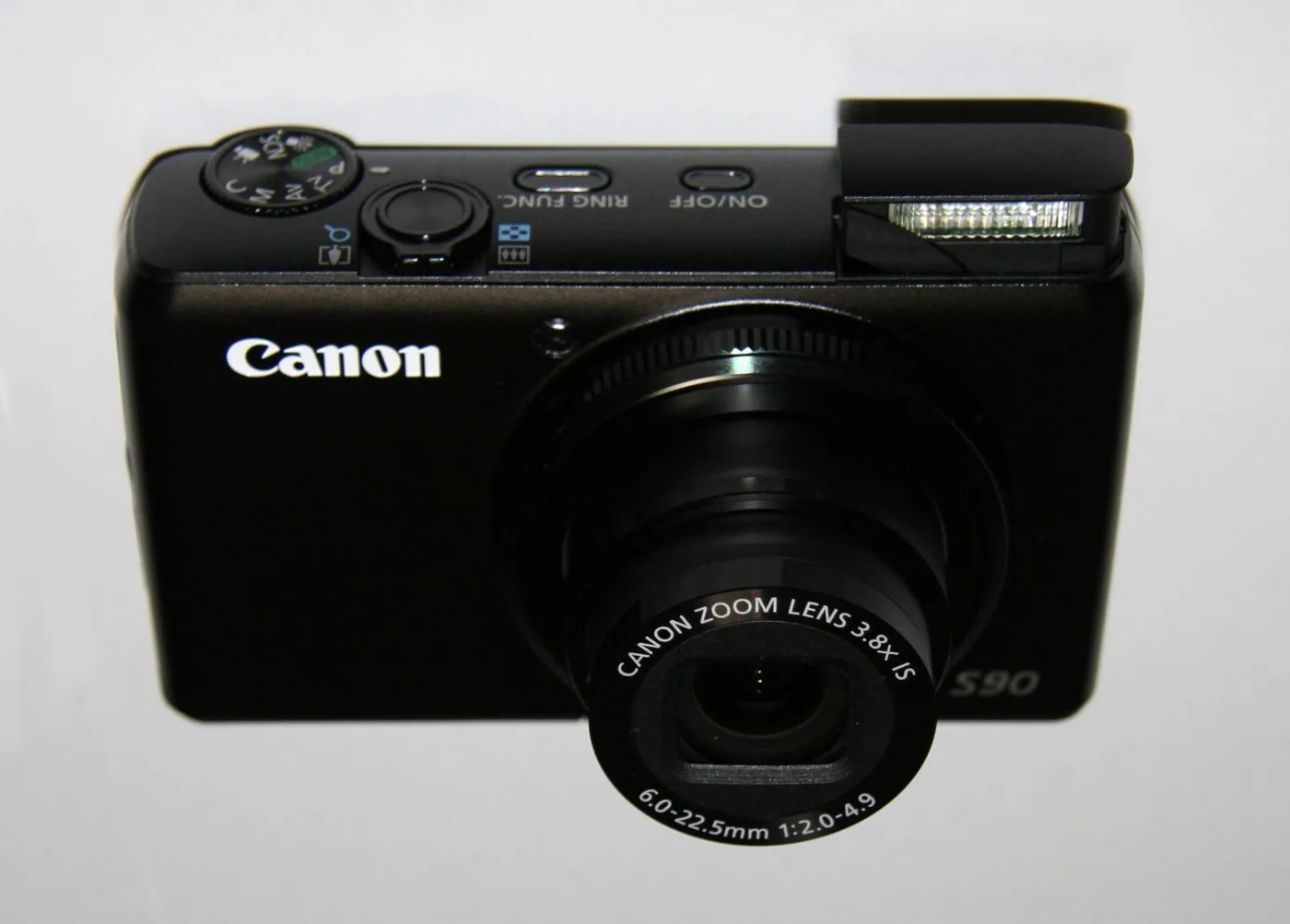
It is plain, black and a little severe. There is a Canon logo, a lens ring with the specification printed around it, a mode dial, and a flash that rises out of the top plate like a pop-up headlight.5 Imaging Resource thought its all-black body evoked the company's EOS cameras.2 The body measures about 100 by 58 millimetres and 31 thick, and Canon lists 175 grams without the battery.1 There is no optical viewfinder at all.2
Canon calls it a conceptual continuation of the PowerShot S80 of October 2005, with the same Dual Anti-Noise System as the larger G11.1 DXOMARK lists it as released in August 2009,6 Canon's museum says it was marketed in October,1 and Imaging Resource and PhotographyBLOG gave a US price of about $430 ($429.99).23 In Britain, Expert Reviews listed it at £345.5
The year it came out
Picture a pocket camera in 2009. You wanted the quality of an SLR and you wanted it to fit in a jacket pocket. Imaging Resource put it as the dream of an "everywhere camera," small enough to carry always.2 Panasonic's LX3 was the camera people wanted: Imaging Resource noted that buyers were paying full price or more for it a year after it launched.2
Canon's answer was unusual. Most of its pocket cameras had 12 megapixels and last year's G10 had 14, and with the S90 and the G11 it became the first to step back, to 10.2 Imaging Resource's argument was that the pixel race had been hurting pictures: small pixels need more noise suppression, which blurs detail, and they show up flaws in the lens.2 It was, they wrote, the digital camera industry giving up on "bigger is better."2
Why this one was interesting
A fast lens and a sensor chosen for quiet
The lens was f/2.0 at wide angle, falling to f/4.9 at full zoom.1 Expert Reviews pointed out that f/2 collects twice as much light as the f/2.8 of a typical compact, and that the 10-megapixel sensor was designed for low noise rather than for a headline number.5 Imaging Resource noted it was the most compact camera of its time with an f/2 lens.2
A ring that did things
The ring around the lens was not decoration. Imaging Resource found it was a control ring that could be set to focus, ISO, exposure, white balance or zoom.2 Expert Reviews found two dials for quick adjustments, one around the navigation pad and one around the lens.5 Together with RAW, aperture and shutter priority and a custom mode, it gave a pocket camera the controls of a serious one.52
Was it a new chip?
The processor was DIGIC 4, which The Register said worked with the sensor in what Canon called the Dual Anti-Noise System.41 Imaging Resource's expectation was that the specifications should deliver better image quality in low light.2
The dark, rung by rung
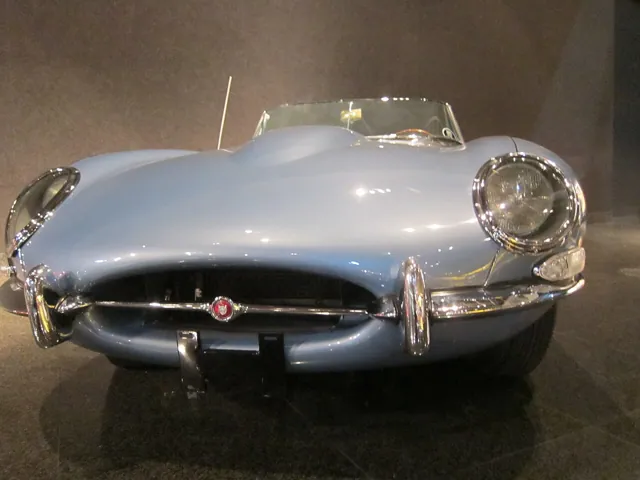
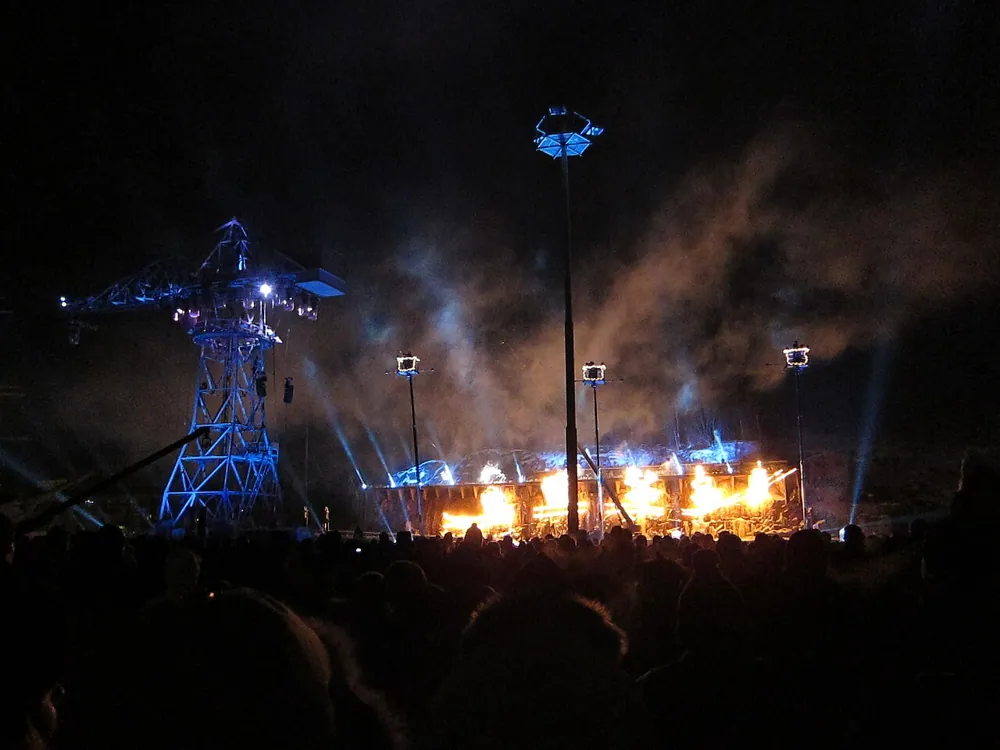
The S90's reputation rests on what it did when the light went. The Register's reviewer called its low-light results the best available-light performance seen in a compact, with an incredible amount of detail kept in night shots; optical stabilisation and noise processing together did the work.4 Expert Reviews found noise at ISO 1600 barely higher than from SLRs, though close inspection showed the noise reduction throwing away detail, and argued that because the f/2 lens gathers about three times the light of a typical SLR kit lens at f/3.5, an SLR at ISO 1600 compares fairly with the S90 at ISO 500, and in that test the S90 beat some entry-level SLRs.5
PhotographyBLOG found ISO 3200 results soft but good enough to give lesser compacts at ISO 800, or at the very least ISO 1600, a run for their money, and shot interiors handheld with no flash and no shake blur.3 Imaging Resource called its printed results excellent: a good 16 by 20 inch print from ISO 80, and a decent 5 by 7 from ISO 3200.2 For the dark extreme, a Low Light mode stretched sensitivity far beyond that, to ISO 12800 at the cost of dropping the resolution to 2.5 megapixels.4 Imaging Resource found its pictures usable at 4 by 6 inches up to ISO 8000.2




.jpg)

_-_%22Merklin-Sch%C3%BCtze%22_tag.JPG)
Real photographs taken with this camera. The sensitivity shown is recorded in each file's own EXIF data.
Like that look? See what S90s have recently sold for on eBay ↗
It had the same instinct as the Fujifilm F30 of three years earlier, which chased sensitivity with a bigger sensor and ISO 3200; the S90 got there with glass. Read our F30 retrospective to see the earlier approach.
On eBay right now
Live listings for this camera, supplied by eBay and updated automatically. We earn a commission if you buy through them.
The little wins
Beyond the lens and the ring, the S90 was full of details that reviewers noticed.
A screen with twice the pixels
The 3-inch screen had about 461,000 dots, which Expert Reviews noted was double that of most cameras' displays.15 Imaging Resource called it excellent, high-resolution and vibrant, and since there was no viewfinder, it was the only window you had.2
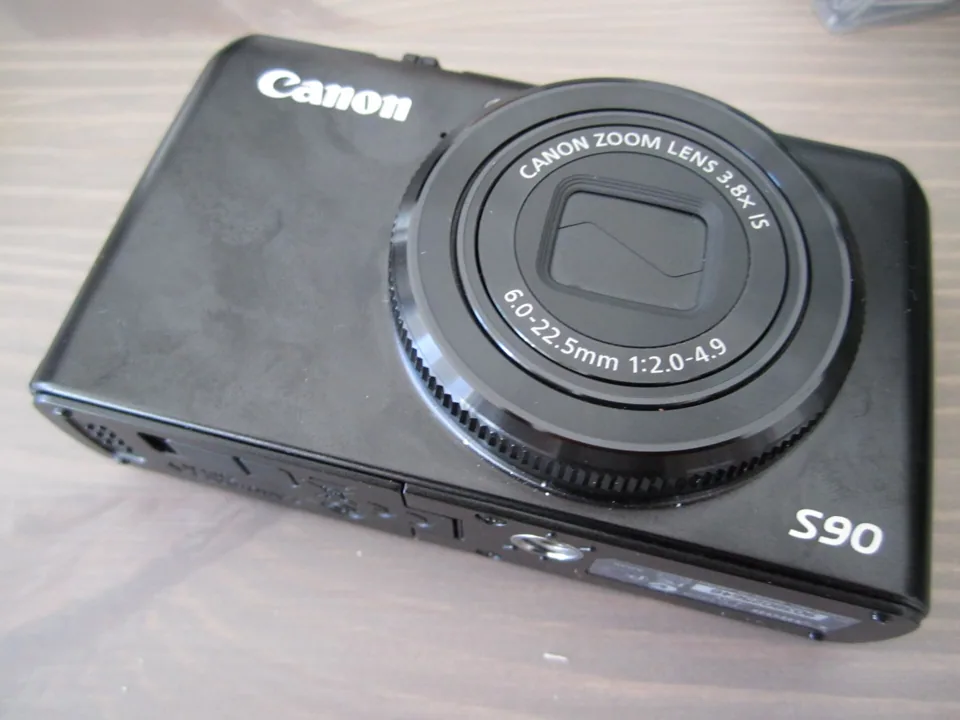
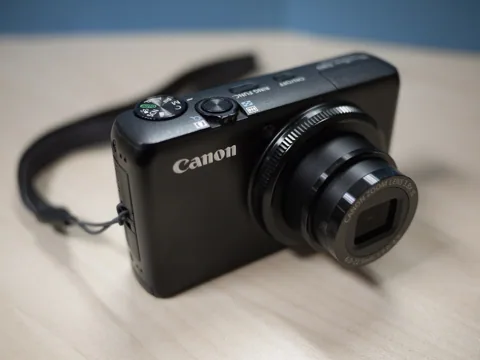 The S90 from an angle, with its wrist strap. · bfishadow from Beijing, China · CC BY 2.0 · Commons
.jpg)
A camera that could shoot RAW
RAW mode and bundled software let owners adjust pictures after downloading.5 Imaging Resource added RAW plus JPEG, a custom mode that stored favourite settings, and an adjustable size for the centre AF point.2
A flash that rose by itself
The flash glided up and down under motor control, which Expert Reviews loved, and which Imaging Resource found strangely reminiscent of the Panasonic LX3.52 The catch was that it sat where fingers go, and Imaging Resource listed uneven flash coverage at wide angle among its faults.2
Faces, and blinks
The Register found face detection worked for up to 35 faces, though it was less reliable on profiles, and that blink detection added to the portrait technology.4 Imaging Resource also credited a face self-timer.2
Contrast that sorted itself
Intelligent Contrast automatically lifted detail in dark areas without touching correctly exposed ones.4 Imaging Resource found it worked well.2
A ring that clicked
PhotographyBLOG loved that the ring turned with a series of audible clicks, and that one of its settings stepped the zoom through 28, 35, 50, 85 and 105 mm.3 Hidden among the scene modes was a Nostalgic mode where twisting the ring drained the colour from the picture, ending in black and white.3
How it drew the picture
In daylight, Expert Reviews found its automatic modes evaluated scenes impeccably, and sunlit shots were hard to tell from SLR output, with sharp detail to the corners and natural colour.5 The Register called its colour accurate if a bit cool, and its exposure and white balance first-class.4 Imaging Resource was more guarded: images were slightly soft at default settings, the lens was softer at telephoto, and raw files showed heavy distortion at wide angle, though the camera corrected it in the JPEGs.2


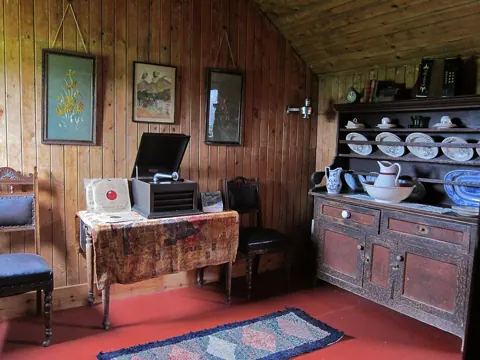



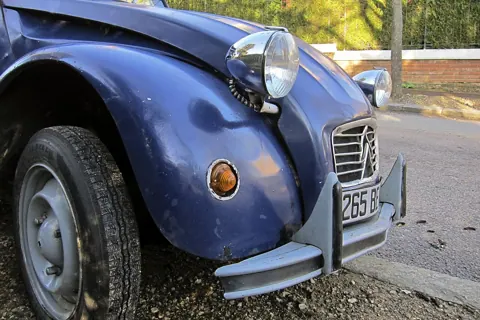
.jpg)
Photos taken with this camera, from Wikimedia Commons, credited under each picture.
Where it let you down
The S90 was not a fast camera. Expert Reviews measured 2.9 seconds between shots and 0.9 frames a second in continuous mode, calling both below average at the price.5 The Register put the delay to focus and shoot at half a second in normal light, and found battery life, already rated at 220 shots, worse in testing.41 Video stopped at 640 by 480 pixels, at a time when HD recording was starting to appear on mobile phones.54 PhotographyBLOG found no grip to hold, calling it one of the few areas where the camera felt truly compromised, and had to put the battery back on charge after a couple of days.3 Imaging Resource found the zoom slow to respond and the power button badly placed, and said the rear dial made setting exposure and zoom almost unbearable, so that its reviewer missed about 60 percent of the shots other cameras would have caught.2
What the reviewers said in 2009
| Outlet | Date | Verdict |
|---|---|---|
| PhotographyBLOG | 10 Nov 2009 | Design, features, ease of use and image quality all 4.5 out of 5, value for money 3.5. Impressive and sophisticated, with a price matching an entry-level SLR kit and no grip.3 |
| Imaging Resource | 7 Dec 2009 | Dave's Pick for its low-light ability alone. Praised the f/2 lens, the control ring, the printed results and the pocketable body; faulted the rear dial, the slow zoom, the flash placement and the short battery life.2 |
| The Register | 11 Dec 2009 | Raised the bar for compacts, with the best available-light pictures the reviewer had seen from one. Slow to shoot, short on battery and limited to VGA video, but "you can't help but love" it.4 |
| Expert Reviews | 16 Dec 2009 | An exceptional compact for demanding enthusiasts, but not as good as Panasonic's LX3, which was faster, easier to handle and shot HD video.5 |
The timeline
- October 2005The PowerShot S80, which Canon calls the S90's conceptual predecessor.1
- August 2009The S90 is released, according to DXOMARK.6
- October 2009Canon's museum lists it as marketed.1
- 10 November 2009PhotographyBLOG publishes its review.3
- 7 December 2009Imaging Resource publishes its review and names it a Dave's Pick.2
- 11 December 2009The Register publishes its review.4
- 16 December 2009Expert Reviews publishes its review.5
Should you buy one now?
Buy one if you want a pocketable camera with a fast lens and real manual controls, and you are happy to live without a viewfinder or HD video. It launched at about $430;2 what it sells for now is a question for the sold listings, not for us. Before you bid, check these:
- The battery. It is rated for only about 220 shots,1 and an old NB-6L will be worse. A fresh one is cheap on Amazon ↗.
- The lens ring and dials. Make sure the ring around the lens turns cleanly and the rear dial clicks, since the controls are the point of the camera.2
- The flash. It rises under motor control; ask the seller to confirm that it pops up and goes back down.5
- The card. It takes SD and SDHC cards.1
- Your settings. Switch the rear dial off or leave it in Auto if exposure keeps changing by accident.2
If you are wondering why cameras like this are being hunted down again, we tell that story once, in Pictures that never left the card.
See recent sold prices on eBay ↗Shop on eBay ↗NB-6L battery ↗
New to the jargon (CCD, ISO, xD cards, IXUS vs ELPH)? Read our plain-English digicam glossary.
Sources
- Canon Camera Museum: PowerShot S90 (specifications, S80 lineage, marketing date)
- Imaging Resource, Canon S90 review by Shawn Barnett and Zig Weidelich (7 Dec 2009)
- PhotographyBLOG, Canon PowerShot S90 review by Gavin Stoker (10 Nov 2009)
- The Register, Canon PowerShot S90 review by Catherine Monfils (11 Dec 2009)
- Expert Reviews, Canon PowerShot S90 review by Ben Pitt (16 Dec 2009)
- DXOMARK, Canon PowerShot S90 specifications (release month)
Camera photos by TTTNIS (public domain), Acid Pix and bfishadow (both CC BY 2.0); other photographs are credited under each one, all via Wikimedia Commons. Links to eBay and Amazon are affiliate links.