Canon PowerShot ELPH · 2012 · a retrospective
The Canon PowerShot ELPH 110 HS (IXUS 125 HS): the slim 24 mm zoom with a short battery
Also sold as the Digital IXUS 125 HS and the IXY 220F.
In spring 2012 Canon launched a metal-bodied pocket camera with a 16-megapixel back-illuminated sensor and a lens that started at 24 mm, for a suggested $249.99. Reviewers liked the daylight pictures and complained about the battery.
Release date and launch price: launched March 2012; launch price US$249.994.
Quick answers
- Sensor
- CMOS, 1/2.3", 16.1 MP source
- Lens
- 24–120 mm equivalent, 5× zoom source
- Memory card
- SD, SDHC, SDXC. Largest, in the maker's words: Canon's table: SD: 2 GB max; SDHC: 4 to 32 GB; SDXC: 32 GB to 2 TB Maker-stated source · card guide · all cards
- Battery
- NB-11L source
- Also sold as
- IXUS 125 HS · IXY 220F
- USB / A/V cable
- IFC-400PCU, AVC-DC400 Confirmed · all Canon cables
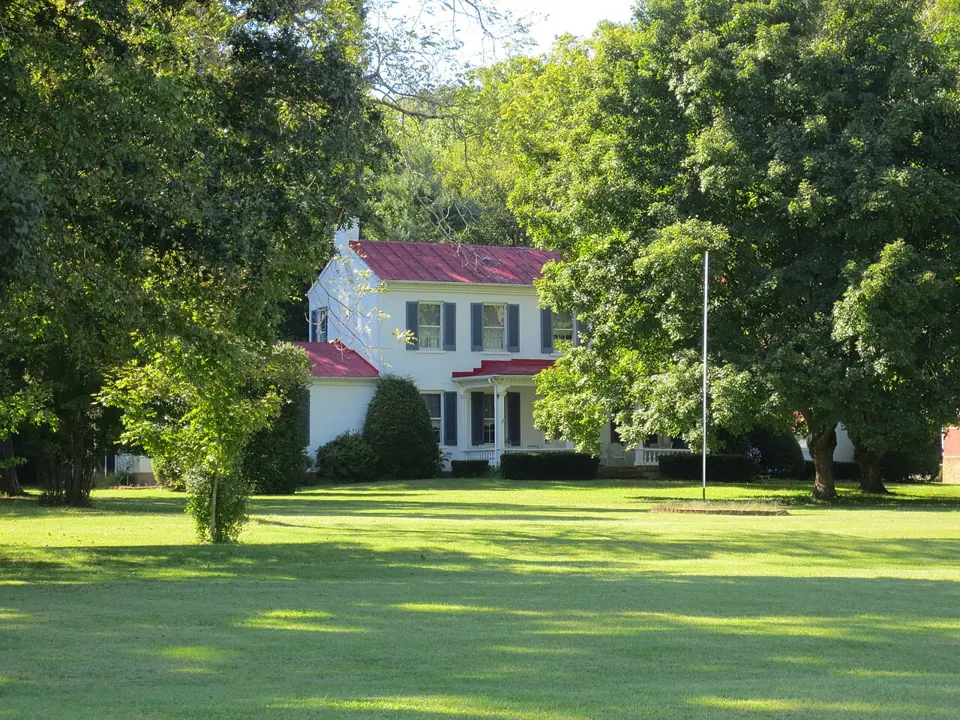
Meet the camera
It is a slim compact with an aluminium body that PhotographyBLOG found solid yet light; it measures about 93 by 57 by 20 millimetres and weighs about 135 grams with battery and card.23 The screen is a 3.0-inch panel of about 461,000 dots.21 It came in silver, black, pink, red, green and blue.24
Canon's museum lists the camera as marketed in March 2012 under three names: PowerShot ELPH 110 HS in the Americas, IXUS 125 HS in Europe, Asia and Oceania, and IXY 220F in Japan.1 PhotographyBLOG gave the suggested prices as £229, €259 and $249;2 Reviewed.com gave a US list price of $249.99 and said it was already selling for $179 at the time of its review.4
Why this one was interesting
Not a CCD
If you are hunting for the look of a CCD camera, this is not one: Canon's museum lists a CMOS sensor, and PhotographyBLOG and Reviewed.com both call it back-illuminated.124 Cameralabs called its image quality a step up from the CCD-based PowerShot A-series.3 See our glossary entry on CCD sensors, and our ELPH 180, which does use one.
A wider lens than most of Canon's range
The lens runs from 4.3 to 21.5 millimetres, equal to 24–120 mm.1 Cameralabs pointed out that only this model and the more expensive touchscreen ELPH 320 HS offered 24 mm in the range, and that the range's other longer-zoom models start at 28 mm.3 It has an f/2.7 maximum aperture at wide angle that narrows to f/5.9 at full zoom.2
A newer processor than its predecessor
Cameralabs said the DIGIC 5 processor recognises 58 scene types against 32 on the DIGIC 4 of the ELPH 100 HS, and that the older model has a 12-megapixel sensor and a 4x zoom that cannot be used while filming, and lacks DIGIC 5 features such as Face ID and Intelligent IS.3 Face ID can register up to 12 people.3 Intelligent IS, said Cameralabs, gave a sharp handheld shot at 120 mm and 1/8 second, bearing out Canon's four-stop claim.3
The dark: its weak point
Reviewed.com was the harshest: it called low-light performance virtually nonexistent, with shadows blacking out and video smeared with ghosting.4 Cameralabs was gentler and more specific. At ISO 100 noise was visible but unobtrusive, at 200 it rose slightly but stayed acceptable for large prints, and at 400 it rose a little more with a grainy look to detail; it called ISO 800 "a bit of a watershed", with softness and smearing of small text, and said ISO 1600 and 3200 looked poor at 100 per cent, though usable for important shots and better at smaller sizes.3 PhotographyBLOG put the limit slightly higher: usable to ISO 1600, and at 3200 with visible grain.2
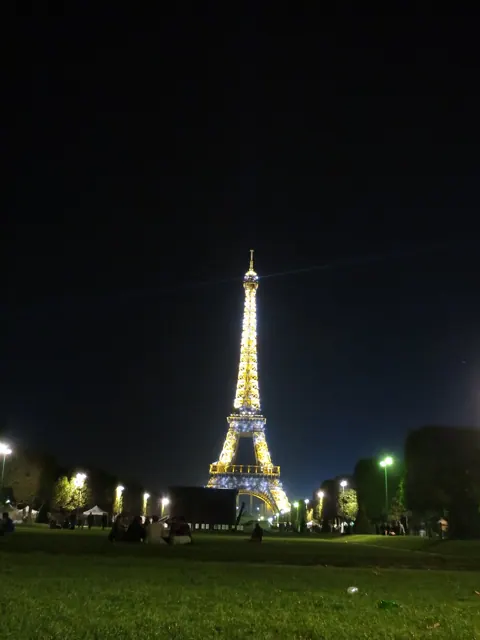
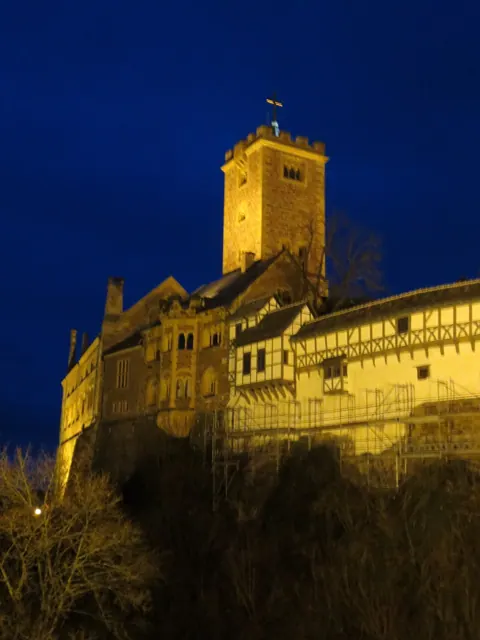
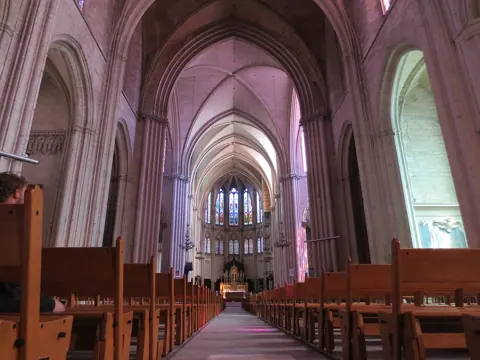
Cameralabs also tried the camera's handheld night mode, which stacks three frames: at ISO 1600 it gave markedly cleaner results than a single frame at the same ISO.3 Below are four evening and interior photographs taken with this camera; the ISO comes from each file's own metadata.





On eBay right now
Live listings for this camera, supplied by eBay and updated automatically. We earn a commission if you buy through them.
The little wins
The 24 mm end
Cameralabs liked the wider view for a 2012 pocket camera, which suits buildings and rooms.3
A bright, detailed screen
Cameralabs called the screen bright, contrasty and detailed with wide viewing angles, and good for overhead shots.3
Easy automatic mode
A switch selects Smart Auto, which handles 58 scene types, or Program mode, which opens up more settings, PhotographyBLOG explained.2
Zoom while filming
Cameralabs counted zooming during video recording among the good points; PhotographyBLOG found the zoom slow while recording, about 10 seconds from wide to tele against 2–3 seconds for stills.32
Quick, accurate focus
Reviewed.com found focus quick and accurate, even in low light thanks to the assist beam.4
How it drew the picture
PhotographyBLOG scored image quality 3.5 out of 5: good in bright light, natural colours, some softness at the default sharpening, and purple fringing in high-contrast areas.2 Cameralabs found exposure and white balance accurate and colours bright and saturated, with sharp, detailed results at the centre of the frame, a softer edge with slight colour fringing, and noise visible even at base ISO that did not hide fine detail.3 In one bright-sun shot at f/10 it noted that diffraction softened edges, since the camera has two apertures and uses the smaller one in bright light.3
Reviewed.com measured the same camera more harshly. It judged the images oversharpened and soft, with the centre of the frame 53 per cent over-sharpened at full wide angle, a lens that was sharpest by far at wide angle and dropped off as you zoomed, and a left side that was consistently softer because of decentering in its sample.4 Its measured noise was 1.01 per cent at ISO 100, under 2 per cent through ISO 800, 2.07 at ISO 1600 and 2.21 at ISO 3200, and said noise reduction was applied more intelligently than on some other compacts.4




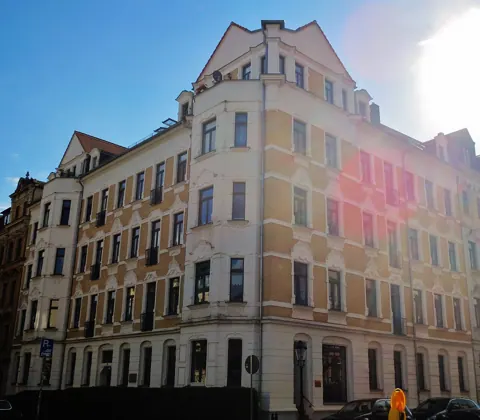



Photos taken with this camera, from Wikimedia Commons, credited under each picture.
Where it let you down
The battery is the complaint every reviewer shares: a rating of about 170 shots, which PhotographyBLOG called fairly miserly and Reviewed.com called exceptionally awful.324 The battery is charged outside the camera.3 Handling drew criticism too. Cameralabs said the rear four-way controller is flush and hard to press with a thumb, that the battery and card door hinge feels flimsy, and that burst shooting at 4 megapixels sustained about 4.9 frames per second in its test against a quoted 5.8 to 5.9 (its page gives both figures), with full resolution at 2.3 PhotographyBLOG found the body slippery with no grip, and the port flap flimsy.2 There is no manual exposure: Reviewed.com said exposure can only be adjusted by plus or minus 2 stops.4 Cameralabs also missed a panorama mode, and noted the mono microphone is susceptible to wind noise and that no HDMI cable is supplied.3
What the reviewers said
| Outlet | Date | Verdict |
|---|---|---|
| PhotographyBLOG | 22 Mar 2012 | 3.5 out of 5. Ticks the boxes for a stylish compact, but no great leap forward over the previous year's IXUS models; price a little steep; poor battery.2 |
| Cameralabs | 2 Aug 2012 | 83 per cent, Highly Recommended: a great balance of features at a very affordable price; image quality 17/20, value 16/20; battery life poor.3 |
| Reviewed.com | undated | Tiny, cute and cheap, with fast, accurate focus, but soft, over-sharpened and poor in dim light; found no compelling case against a smartphone; mainly for casual users or as a camera for a parent. No numeric score on the page.4 |
The three reviewers disagree on value and image quality, so read the quotes above as a range, not a verdict.
The timeline
- March 2012Canon's museum lists the camera as marketed; PhotographyBLOG publishes its review on 22 March.12
- 2 August 2012Cameralabs publishes its review.3
Should you buy one now?
Buy one if you want a pocketable, metal-bodied camera with a 24 mm wide end and good daylight pictures, and you will carry a spare battery. It launched at US$249.99;4 what it sells for now is a question for the sold listings, not for us. Before you bid, check these:
- The name. Search the ELPH 110 HS, the IXUS 125 HS and the IXY 220F.1 Do not confuse it with the ELPH 100 HS, which has a 12-megapixel sensor and a 4x zoom.3
- The sensor. It is CMOS, not CCD.1
- The battery. It uses an NB-11L, rated about 170 shots;23 a fresh one is on Amazon ↗.
- The card. It takes SD, SDHC and SDXC cards.2 See our memory card guide.
- The door and port cover. Reviewers called the battery door hinge and the port flap flimsy; open and close both.32
- The lens. Check that it extends and retracts cleanly and that both sides of a test photo are equally sharp.4
For why people want cameras like this, we tell the story once, in Pictures that never left the card.
See recent sold prices on eBay ↗Shop on eBay ↗NB-11L battery ↗
Sources
- Canon Camera Museum: PowerShot ELPH 110 HS / IXUS 125 HS / IXY 220F (names, March 2012, specifications)
- PhotographyBLOG, Canon IXUS 125 HS review by Gavin Stoker (22 Mar 2012)
- Cameralabs, Canon ELPH 110 HS / IXUS 125 HS review by Ken McMahon (2 Aug 2012; pages 1, 2 and 4)
- Reviewed.com, Canon PowerShot ELPH 110 HS review by Ben Keough (undated page; lab measurements)
Photographs are credited under each one, all via Wikimedia Commons. Links to eBay and Amazon are affiliate links.